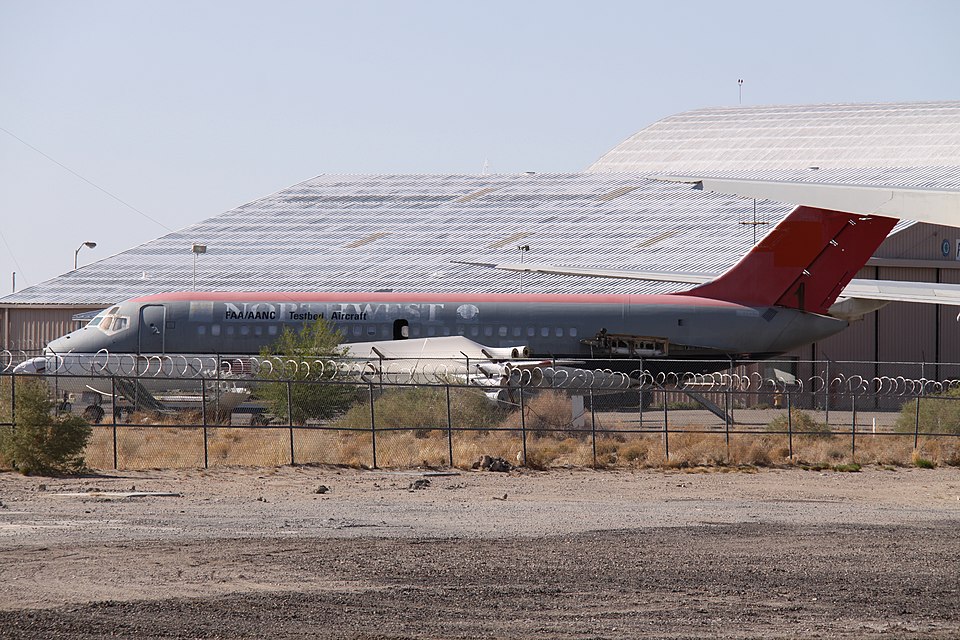
Incident Overview
During cruise flight at flight level 310, an electrical fire broke out in the aircraft. The flight crew managed to extinguish the flames by turning off both generators and the battery switch. The flight subsequently diverted to Des Moines, Iowa, where it landed without further incident.
Inspection Findings
Post-flight inspection of the airplane revealed that the cross tie relay, along with four other relays and their associated wiring in the left main equipment rack near the left forward cabin door, were charred.
Cause of the Fire
Investigation determined that the fire resulted from a phase-to-phase short within the cross tie relay arc box. The short was caused by relay contact wear products—specifically metal dust—migrating through the arc box.
Maintenance History
The relay manufacturer recommended a time between overhaul (TBO) of 7,000 hours for this relay when used as a cross tie relay. The aircraft manufacturer also recommended a 7,000-hour TBO regardless of how the relay is used. However, the operator was using a 14,000-hour TBO, based on an FAA-approved TBO reliability program for the relay when installed in a vertical or horizontal orientation. The failed relay had accumulated a total of 7,775.26 hours since its last overhaul.