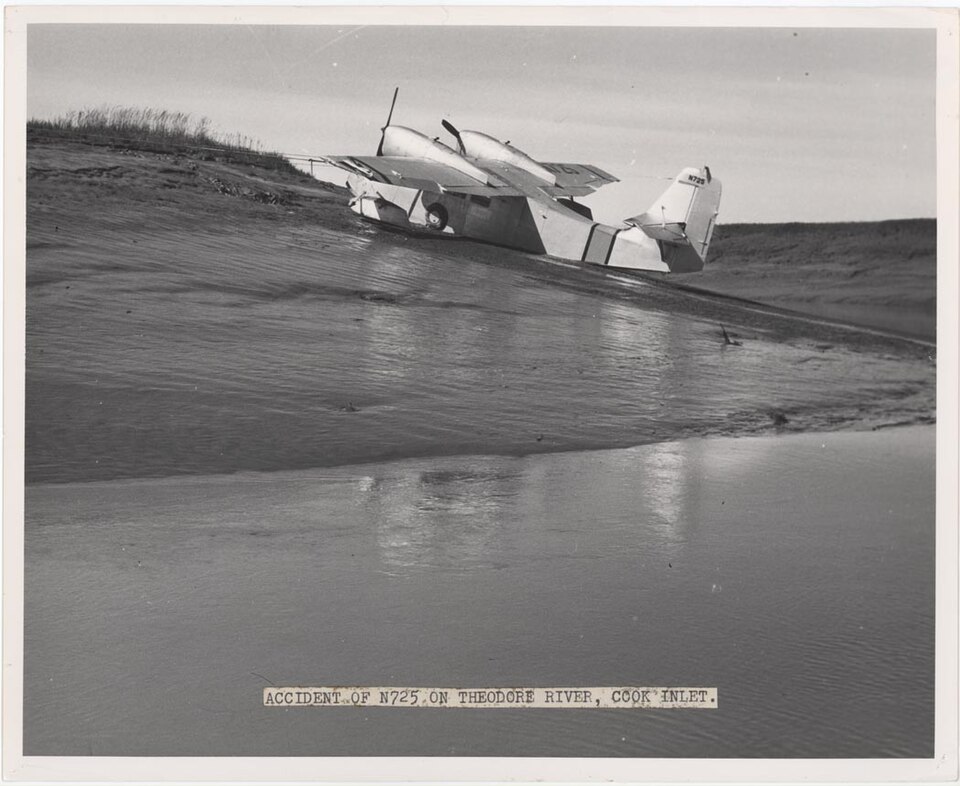
Incident Overview
A pilot conducting a cross-country flight experienced a loss of control during the takeoff roll, resulting in the aircraft nosing over. The pilot had purchased the aircraft the previous day and reported moderate experience with the type but lacked recent flight time, having logged only 9 hours in the preceding 90 days.
Pilot's Account
According to the pilot, during the takeoff roll he placed the yoke full forward with the intention of returning it to neutral once the tail lifted. However, when the tail rose, the pilot found he could not move the yoke aft to the neutral position. The aircraft subsequently pitched nose-down and nosed over.
Post-Accident Examination
An examination of the aircraft following the accident revealed no discrepancies in the flight control system. Investigators looked for mechanical malfunctions but found none.
Manufacturer's Input
The aircraft manufacturer provided information regarding potential causes for the observed behavior. They stated that if the stabilizer trim is set within the takeoff range, the aircraft is incapable of rotating to the degree of nose-down attitude experienced during the takeoff roll. Conversely, if the stabilizer trim is set nose-down and outside the takeoff range, the aircraft will tend to nose down, and moving the yoke aft becomes difficult. The manufacturer also noted that the only other way to achieve such an event would be application of the brakes during the takeoff roll.
Conclusion
The incident highlights the importance of proper trim setting for takeoff and the potential consequences of incorrect trim or brake application. However, the investigation did not determine the exact cause, as no flight control anomalies were found.