Engine Power Loss During Climb Leads to Forced Landing

Casualties unknown • Lakeville, MN, US

An aircraft experienced a sudden loss of engine power shortly after takeoff, resulting in an emergency landing in a plowed field.

What happened

The pilot reported that all engine parameters, including manifold pressure, RPM, and engine gauges, were normal during the preflight inspection, engine start, run-up, and the initial takeoff roll.

After the aircraft climbed to approximately 125 feet AGL, just past the runway threshold, it experienced a sudden and complete loss of power. The pilot described the sensation as if the engine were being starved for fuel. Approximately two seconds after the initial failure, the engine surged briefly before quitting entirely.

The pilot performed an emergency landing straight ahead into a freshly plowed field. During the landing sequence, the aircraft traveled across approximately 300 feet of rough terrain, which caused the nose gear to collapse. There were no injuries reported in the accident.

The investigation

A post-accident examination and a test run of the engine were conducted. During these procedures, the engine started and operated normally.

Upon inspection of the mixture control cable, investigators discovered that a rubber grommet within the 'Adel clamp'—which is used to secure the outer housing of the mixture control cable—had deteriorated. This deterioration allowed both the control cable and the outer cable housing to shift aft.

Probable cause

The deterioration of a rubber grommet in the Adel clamp securing the mixture control cable housing, which allowed the cable and housing to shift aft and cause engine power loss.

Frequently asked questions

What happened in the 1997-10-31 Piper PA-32-260 accident near Lakeville, MN?

An aircraft experienced a sudden loss of engine power shortly after takeoff, resulting in an emergency landing in a plowed field.

What aircraft was involved and where did it happen?

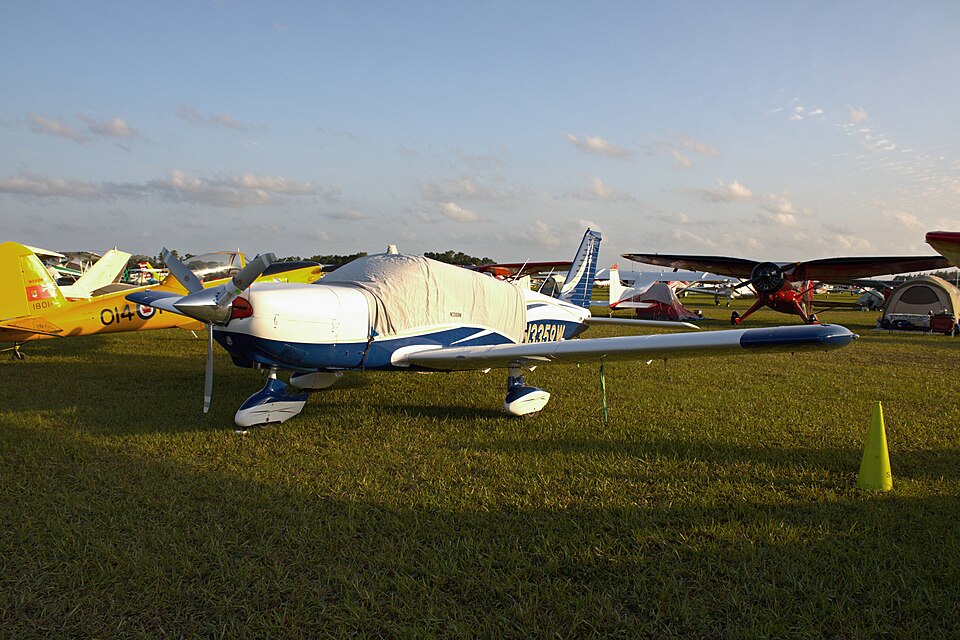
The accident on 1997-10-31 involved a Piper PA-32-260, registration N3359W, at Lakeville, MN.

What was the probable cause of the accident?

The deterioration of a rubber grommet in the Adel clamp securing the mixture control cable housing, which allowed the cable and housing to shift aft and cause engine power loss.

Investigation report by the U.S. National Transportation Safety Board (NTSB) historical archive. Original record: https://carol.ntsb.gov/event/20001208X08983. This page is a structured re-presentation; facts and quotes are in the National Transportation Safety Board (NTSB), United States.

Loading the flight search…