Aircraft Runway Excursion Following Engine Fire and Icing Accumulation

Casualties unknown • Wheeling, WV, US

An aircraft departed the left side of a runway after an engine fire during a missed approach and subsequent landing short of the runway in icing conditions.

What happened

During a night flight in instrument meteorological conditions (IMC), the crew experienced an engine fire while performing a missed approach. In response to the fire, the pilots feathered the propeller and shut down the affected engine.

While attempting an approach to another airport, the aircraft touched down short of the runway. The plane traveled onto the runway before eventually departing the left side of the paved surface. The pilot reported that the aircraft was unable to maintain altitude because of ice accumulations and a lack of available power following the engine shutdown.

The investigation

An examination of the wreckage showed rotational damage to both engines and propellers, which is consistent with the engines being in operation at the time of impact. Investigators found that neither propeller was in the feathered position during the accident.

Findings

The pilot had been briefed regarding known moderate icing conditions and isolated instances of severe icing. According to the aircraft flight manual (AFM), a minimum speed of 140 knots is recommended when operating in icing conditions; at speeds below 140 knots, ice can accumulate on unprotected areas of the wings. The pilot reported flying the approach at 114 knots.

Probable cause

The aircraft's inability to maintain altitude was caused by ice accumulation on the wings and insufficient power following an engine shutdown due to an engine fire, while operating below the recommended minimum airspeed for icing conditions.

Frequently asked questions

What happened in the 1997-11-14 Beech 65-A90 accident near Wheeling, WV?

An aircraft departed the left side of a runway after an engine fire during a missed approach and subsequent landing short of the runway in icing conditions.

What aircraft was involved and where did it happen?

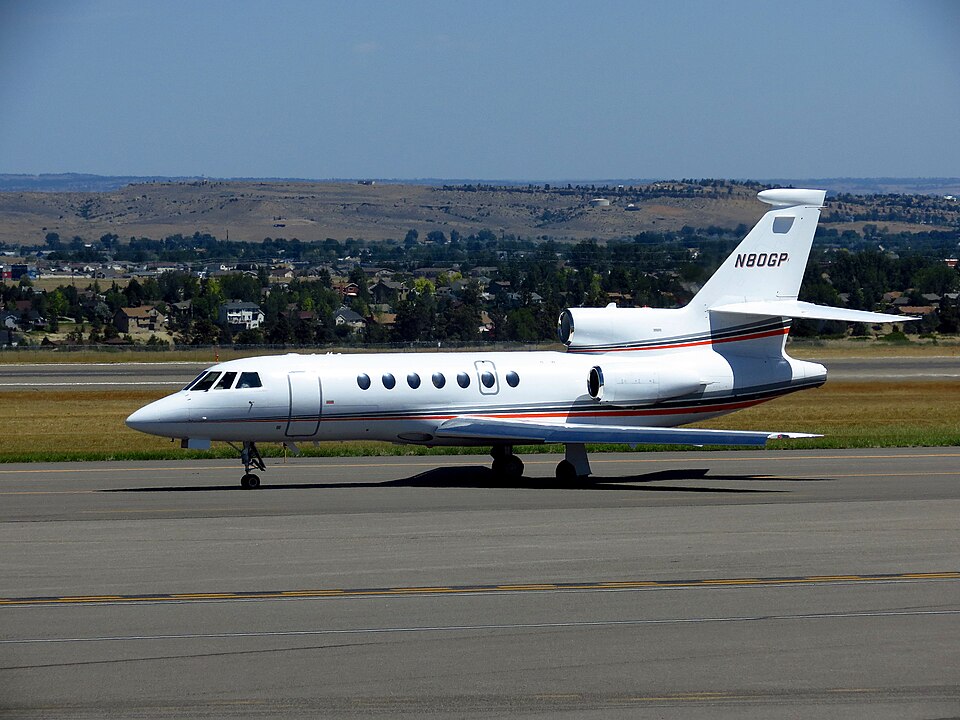
The accident on 1997-11-14 involved a Beech 65-A90, registration N80GP, operated by Skyward Aviation, at Wheeling, WV.

What was the probable cause of the accident?

The aircraft's inability to maintain altitude was caused by ice accumulation on the wings and insufficient power following an engine shutdown due to an engine fire, while operating below the recommended minimum airspeed for icing conditions.

Investigation report by the U.S. National Transportation Safety Board (NTSB) historical archive. Original record: https://carol.ntsb.gov/event/20001208X09235. This page is a structured re-presentation; facts and quotes are in the National Transportation Safety Board (NTSB), United States.

Loading the flight search…