Casualties unknown

Pilot Reports Autopilot-Induced Pitch Trim Change During Takeoff Stall (N50JG)

Mammoth, CA, US

On November 4, 1998, a Piper PA-46-350P (registration N50JG) was involved in an aviation accident near Mammoth, CA. Investigators recorded the probable cause as: The pilot's failure to ensure that the autopilot was off prior to takeoff, and, his failure to maintain pitch control during the resultant pitch trim excursion during the takeoff ground roll. This summary draws on records from the U.S. National Transportation Safety Board (NTSB) historical archive.

Sourcesthe U.S. National Transportation Safety Board (NTSB) historical archivePrimary reportUpdated 2026-07-04Data APIEditorial standards
Aircraft registered N50JG
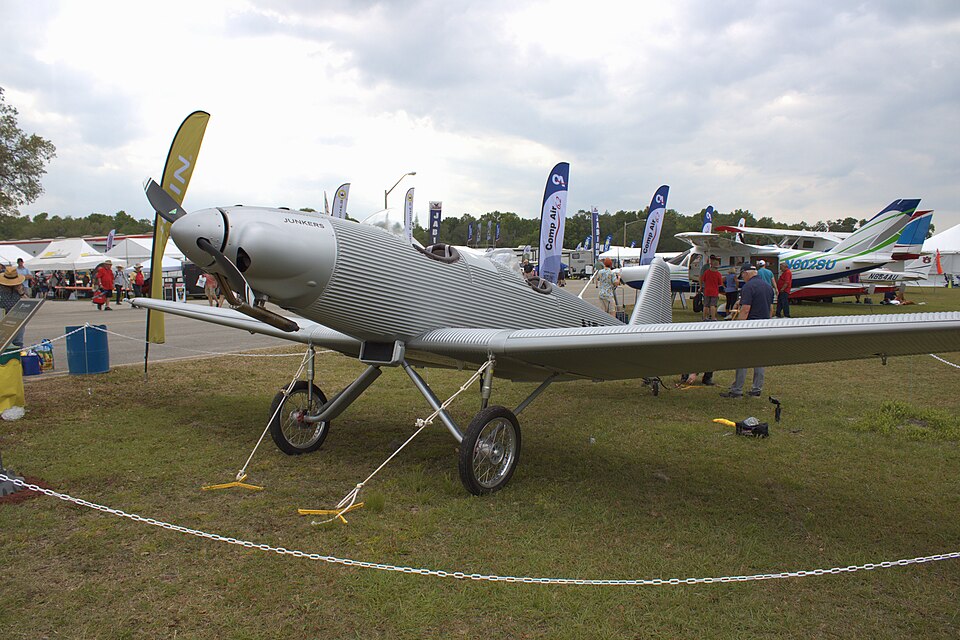
Aircraft registered N50JG. Photo: ZLEA / CC BY-SA 4.0, via Wikimedia Commons

Witnesses observed a premature takeoff with over-rotation, followed by a tail-first then nose-first impact. The pilot reported that the autopilot moved the pitch trim to full nose up at 62 knots, causing a stall. Post-accident, the trim indicator was in full nose up position.

Accident Summary

Witnesses reported that the aircraft took off prematurely and over-rotated to a nose-high attitude. Shortly after, the aircraft struck the ground tail first, then the nose. It veered off the side of the runway and came to rest on a taxiway. Winds at the time were calm.

Pilot Report

The pilot informed a witness that he stalled during takeoff. He stated that before the accident, the aircraft had a dead battery and required external power for startup. During the startup process, the autopilot cycled twice. The pilot performed a normal run-up and trimmed the aircraft for takeoff. He said that at 62 knots, the autopilot moved the pitch trim to the full nose-up position, causing the aircraft to pitch prematurely to a nose-high attitude and lift off. The pilot then retracted the landing gear. Subsequently, the left wing dropped and the airplane settled back to the ground.

Post-Accident Findings

Immediately after the accident, the elevator trim tab and the cockpit elevator trim indicator were found in the full nose-up trim positions.

Manufacturer Information

According to the autopilot manufacturer, the pitch servo capstans are designed with a clutch that slips at 25 pounds of control wheel force. Flight test data supplied by Piper indicates that the control wheel force required to maintain 62-knot speed at full trim tab deflection is less than 40 pounds.

Frequently asked questions

What happened in the 4 Nov 1998 Piper PA-46-350P accident near Mammoth, CA?

Witnesses observed a premature takeoff with over-rotation, followed by a tail-first then nose-first impact. The pilot reported that the autopilot moved the pitch trim to full nose up at 62 knots, causing a stall. Post-accident, the trim indicator was in full nose up position.

What aircraft was involved and where did it happen?

The accident on 4 Nov 1998 involved a Piper PA-46-350P, registration N50JG, at Mammoth, CA.

What was the probable cause of the accident?

The pilot's failure to ensure that the autopilot was off prior to takeoff, and, his failure to maintain pitch control during the resultant pitch trim excursion during the takeoff ground roll.

Investigation report by the U.S. National Transportation Safety Board (NTSB) historical archive. Original record: https://carol.ntsb.gov/event/20001211X11453. This page is a structured re-presentation; facts and quotes are in the National Transportation Safety Board (NTSB), United States.