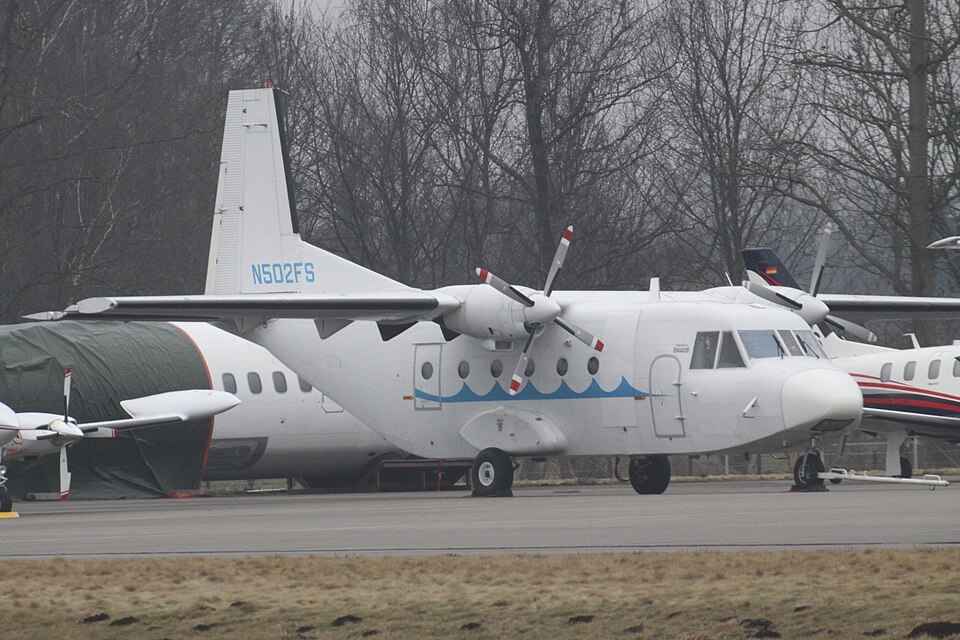
Incident Overview
The captain reported that the first officer was the pilot flying for the takeoff. After the captain completed the before takeoff checklist, he applied and held the brakes while the first officer applied full takeoff power. Upon release of the brakes, the aircraft accelerated to approximately 45 knots and began a sudden pull to the right.
Crew Actions
Both pilots pulled the power levers to the flight idle position as the captain took control. He then applied full reverse thrust and heavy braking while attempting to maintain directional control, but the aircraft continued pulling to the right. The captain stated that, in his opinion, the left engine continued to produce forward thrust after he placed the engine control levers into the full reverse position.
Runway Excursion
The aircraft departed the right side of the 4,400-foot-long by 75-foot-wide runway, traversed down an embankment, and entered an area of large boulders. The fuselage and right wing sustained substantial damage.
Environmental Conditions
Wind conditions reported approximately 32 minutes before the accident were from the east at 20 knots.
Engine Examination
Subsequent testing of the engine in a test cell revealed it functioned within acceptable parameters.
Cockpit Voice Recorder
The Cockpit Voice Recorder captured the crew discussing the use of differential power "to keep it on the runway."