Maintenance and Shift Handoff
Prior to the accident flight, maintenance personnel performed work on all four engine thrust reversers. One mechanic responsible for a specific cowl went off-shift before closing the No. 2 cowl and asked another mechanic to close it. The second mechanic lowered the No. 1 and No. 2 cowl doors but was unable to secure and lock them. He informed mechanics on the next shift that all four engine cowls needed to be secured and recorded this in the shift turnover log.
Incomplete Inspection
When mechanics from the subsequent shift arrived to close the cowls, they observed the No. 1 and No. 2 cowls in the closed position. However, they did not review the shift turnover log and did not verify that the cowls were latched. The flight engineer also failed to detect the unlatched cowls during the preflight inspection, despite detailed procedures in the company flight operations manual that specified ensuring cowls were latched.
Departure and Cowl Separation
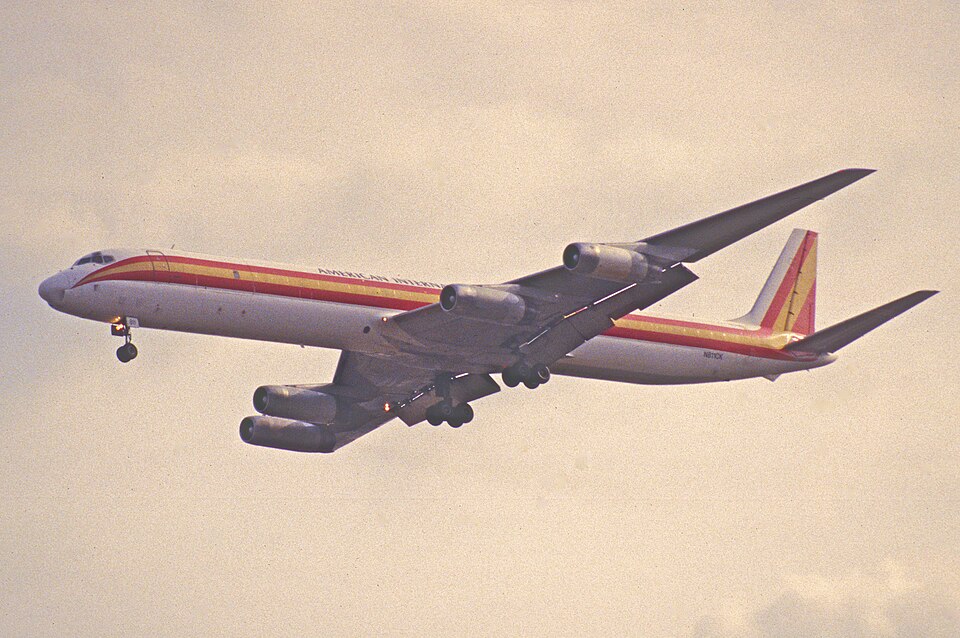
The flight crew initiated takeoff with the No. 1 and No. 2 engine cowls unsecured. During and shortly after takeoff, the cowls departed from the aircraft. The separation caused substantial damage to the aircraft's left wing and left horizontal stabilizer.
Return and Landing
The flight subsequently returned to the departure airport and landed without further incident.