Incident Overview
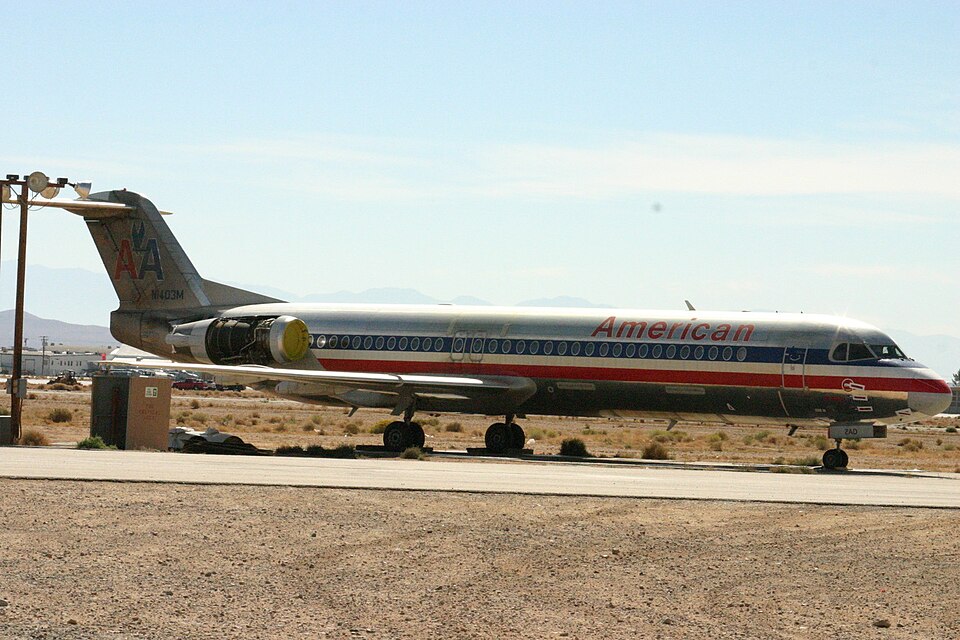
A refueling truck collided with an aircraft at a gate shortly after the airplane arrived. The jet bridge had not yet been positioned. Witnesses reported seeing the truck initially parked at a 45-degree angle to the lead-in line on the right side of the airplane. The truck then moved forward and made contact with the right side of the airplane near the nose gear, coming to rest after impact. The collision pushed the airplane several feet to the left.
Witness Accounts
Multiple witnesses provided observations of the truck's speed. One witness estimated the truck was traveling between 20 and 30 miles per hour, while another described the speed as "a little too fast." After the incident, witnesses who assisted the fuel truck driver out of his vehicle noted that he appeared "dazed."
Passenger and Driver Experiences
At the time of impact, at least 20 passengers who had stood up immediately when the airplane reached the gate were "thrown about" by the sudden motion. The driver of the refueling truck stated that he did not remember the impact and believed he must have "blacked out."
Driver Medical Background
A subsequent medical and sleep study evaluation of the driver revealed that he suffered from severe obstructive sleep apnea and significant hypersomnolence. The same driver had been involved in another occurrence in October 1999, during which he reported "dosing off" just prior to that collision.