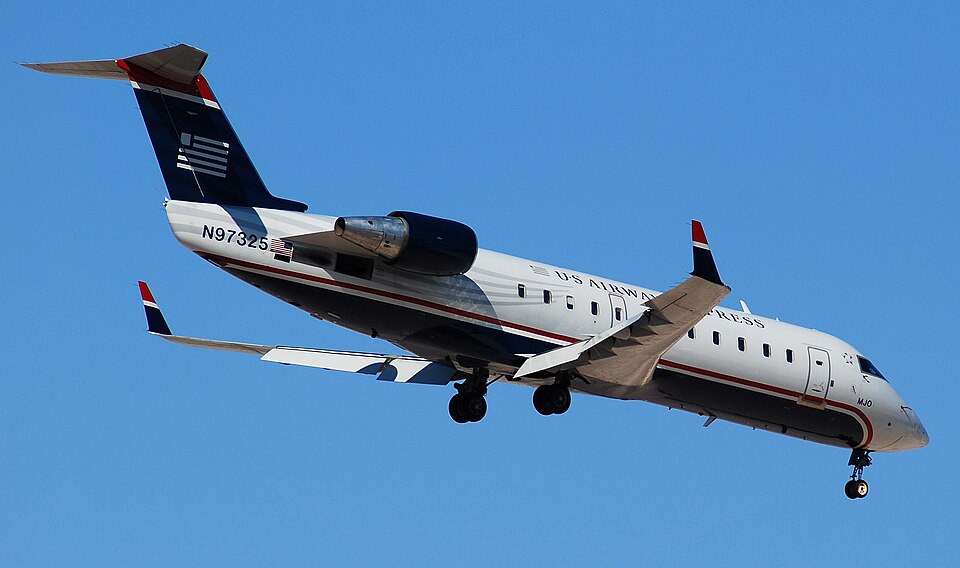
Incident Description
While climbing through Flight Level 200, the autopilot pitch trim master caution warning light and the autopilot pitch trim nose down master caution warning light illuminated. The trim froze at four units of trim. The flight crew disengaged the autopilot in accordance with Airplane Flight Manual (AFM) procedures. To maintain level flight, the pilots had to apply approximately 2 inches of forward pressure on the flight control column. The first officer reported that the stabilizer trim could be manually adjusted up and down, but at no point would the trim go below four units of trim.
Findings from HSTA Teardown
The Horizontal Stabilizer Trim Actuator (HSTA) and Motor Control Unit (MCU) were replaced. The airplane then underwent a series of diagnostic checks and a functional flight test, during which no mechanical anomalies were noted. During removal of the HSTA and MCU, a component was heard moving inside the HSTA. Teardown of the HSTA revealed that the Channel 1 bell gear had separated from its four mounting tabs. It was also noted that two of the main spur gear bolts had backed out, and were loose and out of position in the HSTA. The other two main spur gear bolts were finger-tight, but remained in place.
Service Bulletins and Compliance
Service Bulletin (SB) 8396-27-02 was developed as a result of repeated bell gear failures, approximately 66 in the past 6 years. The SB called for replacement of the existing bell gear with a new stronger bell gear. Service Letter (SL) 8396-27-01 resulted from repeated main spur gear bolts backing out in service. The SL now requires the use of Loctite with new bolts and new torque values to be applied to the bolts. A review of the operator's FAA-approved Operating Specifications disclosed that compliance with manufacturers' SBs and SLs is not mandatory.