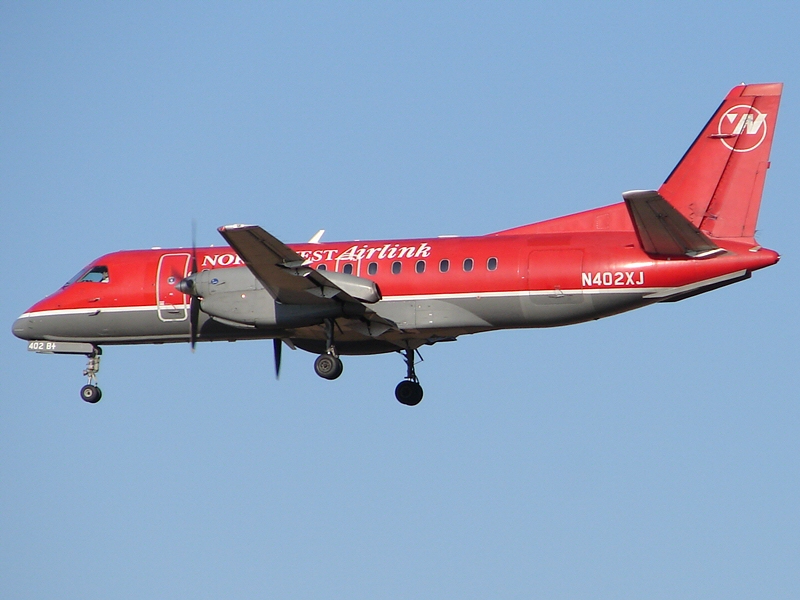
Incident Overview
During an instrument landing system (ILS) approach, the captain reported that the airplane struck a flock of snow geese at an altitude of approximately 600 feet above ground level (AGL). Despite the impact, the captain decided to continue the approach for landing.
Post-Landing Assessment
After landing, the flight attendant informed the captain of a hole in the side of the airplane and that a passenger had been injured. A doctor who was aboard the aircraft removed a piece of metal from the passenger's leg and administered first aid before an ambulance arrived.
Aircraft Damage Description
The captain provided a detailed account of the damage sustained by the aircraft, stating: "When we looked at aircraft 402 it was pretty messed up. There were geese in both intakes, three holes in the side, prop blades with pieces missing out of them, a side window busted, both front windows hit and one wiper gone, the other broke off to the side, one gear was hit and one flap."
The damage included multiple bird strikes to the engine intakes, structural breaches, propeller blade damage, and impacts to windows, wipers, landing gear, and flaps.
Conclusion
The incident highlighted the immediate effects of a bird strike during a critical phase of flight. The captain's decision to continue the approach ensured a safe landing despite the damage.