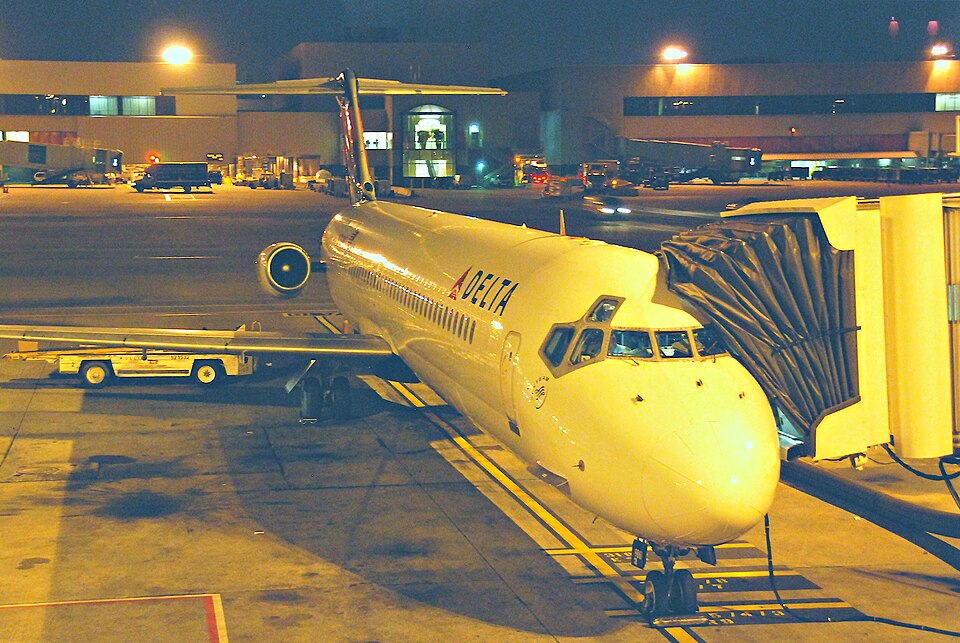
Incident Overview
During the takeoff roll, the flight crew heard a loud bang; however, the pilot continued the takeoff and initiated a climb. After departure, the crew found they were unable to pressurize the passenger cabin, prompting a decision to divert to an alternate airport. The airplane landed without further incident.
Inspection Findings
A subsequent inspection of the aircraft revealed a gash approximately 3 feet long by 1 foot wide on the underside of the fuselage, aft of the passenger entry door. Additionally, the right nose gear tire sustained damage. Examination of the runway at the departure airport uncovered an in-ground light cover weighing about 100 pounds, which had separated from its mount and broken into two pieces. Black marks consistent in color and texture with rubber, resembling a tire tread, were observed on the optical lighting well and on the underside of the light fixture.
Runway Lighting System
The light cover was part of an in-ground, semi-flush mounted approach lighting fixture installed at the approach end of the runway in 1997. The lighting system had not been commissioned at the time of the incident due to a lack of certification from the FAA. Inspection of the light fixture revealed that the six bolts securing the lighting assembly to the in-ground base were sheared. The fracture surfaces on the bolts were smeared, consistent with low-cycle fatigue fractures that occur over a period of time. The bolts were located on the underside of the fixture, requiring removal of the fixture cover for inspection. Repairs and inspections of runway lighting facilities at the airport were conducted at varied intervals; however, because the system was not commissioned, the in-ground approach lighting fixtures were only visually inspected. The runway was inspected for debris and general condition on a daily basis, or upon Duty Manager shift change, in accordance with 14 CFR Part 139.