Casualties unknown

Helicopter Inadvertent Lift-off During Pre-Takeoff Hydraulic Accumulator Test (N985SA)

Lihue, HI, US

On February 1, 2001, an Eurocopter AS-350-B2 (registration N985SA) operated by Safari Helicopter, Inc. was involved in an aviation accident near Lihue, HI. Investigators recorded the probable cause as: The collective lock design allowed the release of the collective when the cyclic was moved during the test with the hydraulic pressure depleted. This summary draws on records from the U.S. National Transportation Safety Board (NTSB) historical archive.

Sourcesthe U.S. National Transportation Safety Board (NTSB) historical archivePrimary reportUpdated 1781061362Data APIEditorial standards
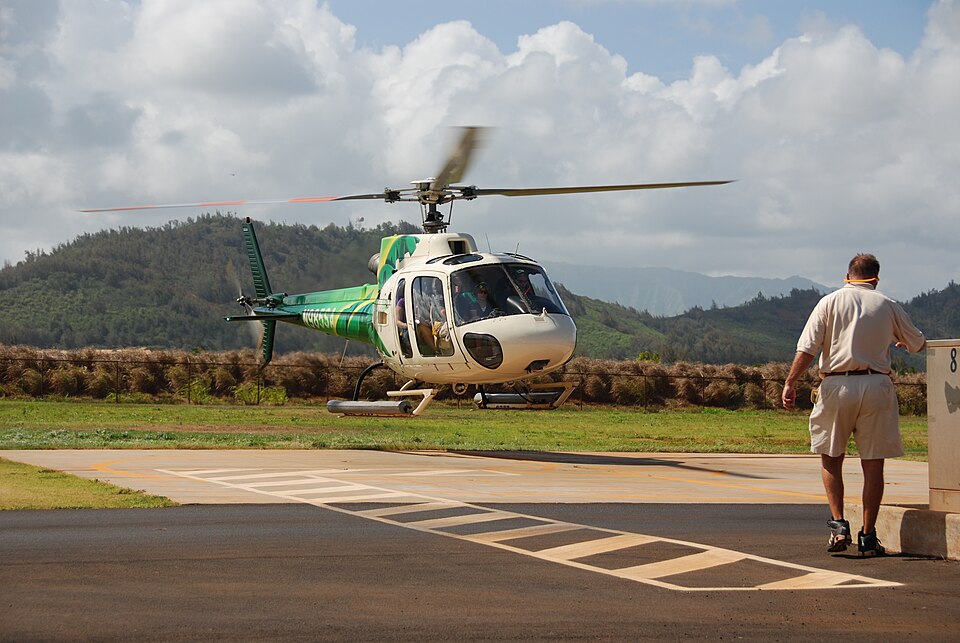
Aircraft registered N985SA
Aircraft registered N985SA. Photo: Elliott Plack from Baltimore, USA / CC BY-SA 2.0, via Wikimedia Commons

A commercial pilot conducting a hydraulic accumulator test during before-takeoff checks inadvertently lifted off, lost control, and impacted the ground tail rotor first after the collective lock design allowed release with depleted hydraulic pressure.

Incident Overview

A commercial pilot was performing a hydraulic accumulator test as part of the before-takeoff checks when the helicopter inadvertently lifted off. During the test, the hydraulic pressure had been bled off, and the pilot could not regain control of the helicopter prior to it impacting the ground tail rotor first.

Collective Lock Design

The collective was locked down during the accumulator test; however, it became unlocked when the pilot was repositioning his hands to restore hydraulic power after the test. FAA inspectors indicated that the collective lock design allowed for the release of the collective when the cyclic was moved during the test with the hydraulic pressure depleted.

Sequence of Events

The pilot initiated the hydraulic accumulator test as part of standard pre-takeoff procedures. The test required bleeding off hydraulic pressure. During this process, the collective was locked in place. After completing the test, the pilot began to reposition his hands to restore hydraulic power. At that moment, the collective lock disengaged, likely due to movement of the cyclic, which the lock design permitted when hydraulic pressure was absent. The helicopter lifted off unexpectedly, and the pilot was unable to maintain control, leading to a tail rotor first impact with the ground.

Probable cause

The collective lock design allowed the release of the collective when the cyclic was moved during the test with the hydraulic pressure depleted.

Investigation report by the U.S. National Transportation Safety Board (NTSB) historical archive. Original record: https://carol.ntsb.gov/event/20010206X00403. This page is a structured re-presentation; facts and quotes are in the National Transportation Safety Board (NTSB), United States.