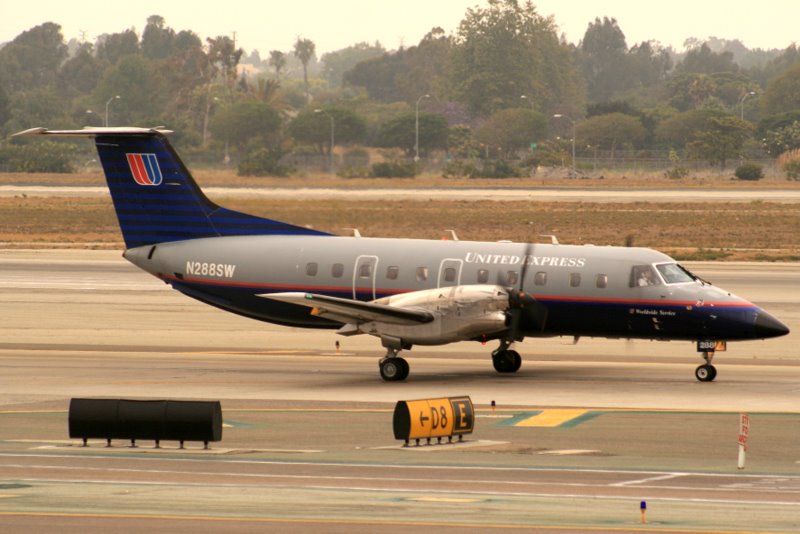
Incident Description
During descent, as the Brasilia passed through 10,000 feet mean sea level with the autopilot engaged, the aircraft's nose pitched down violently by about 10 degrees, then pitched back up. The captain promptly disengaged the autopilot and manually flew the airplane to a safe landing. The lone cabin attendant, located in the aft end of the aircraft, was thrown to the floor and sustained a broken ankle.
Examination of Elevator Trim Actuators
The Brasilia is equipped with two elevator trim actuators. Following the incident, the manufacturer examined similar actuators that had been submitted for repair after other occurrences and discovered moisture and corrosion. It was suspected that leaking seals allowed moisture to enter the actuators, which could freeze at altitude. In many cases, the actuators functioned normally after descending to lower, warmer altitudes where the ice thawed.
One of the actuators from the incident was found to be dirty, corroded, and had overspray on it. It leaked from the shaft seals and the autoloc seal, and failed the non-jamming stop test. The two shaft housings contained moisture. The chain and pins were corroded, the packing had deteriorated, and the springs were weak. On one side, the rollers were not chamfered, and staking had warped some screws. The hub was worn and not functioning properly.
The second actuator was also dirty and had overspray. It leaked from the shaft seals and had excessive backlash, failing the tangential free play test. Its two shaft housings also contained moisture. The chain, pins, shafts, and housings were corroded, the packing had deteriorated, and the bearings were rough and binding. The rollers had only one chamfered side, and the shim was missing.