Incident Overview
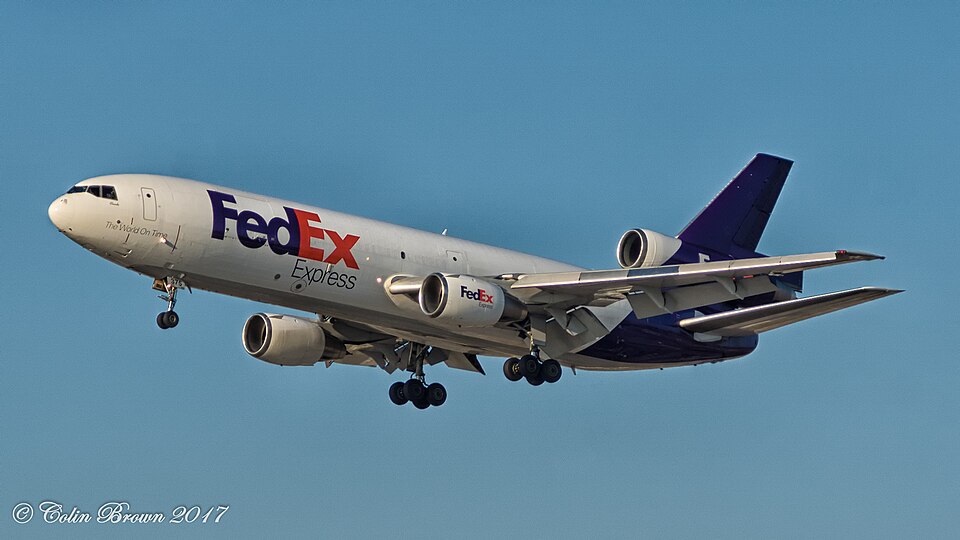
A three-engine jet aircraft was parked outdoors in snowy conditions for an entire day. During the two hours prior to departure, ground personnel applied de-icing and anti-icing fluid to the aircraft three times. At takeoff, observers noted sparks emanating from the #2 engine, which is mounted in the tail center position. The cockpit engine instruments showed no abnormal indications, but the flight crew detected a slight vibration and decided to return to the departure airport.
Landing and Fire
Upon touchdown, the crew selected reverse thrust on all three engines. Moments later, a fire erupted from the #2 engine. Both the flight crew inside the aircraft and crash/fire/rescue personnel on the ground responded to the fire. No injuries were reported.
Maintenance and Preflight Inspection
An FAA airworthiness directive requires a thorough preflight inspection of the #2 engine inlet and bellmouth area when icing conditions exist. The maintenance personnel who performed the de-icing procedure and the preflight inspection stated that a puddle of de-icing fluid was visible in the #2 engine bellmouth area.
Post-Accident Examination
Examination of the #2 engine revealed damage consistent with soft body impacts, attributed to ice ingestion, and hard body damage consistent with ingestion of engine parts that had been damaged by ice. Inspection of the aircraft showed that a heated bellmouth drain-line modification, which was noted in the aircraft logbook, had not been completed.
Conclusion
The incident involved ice ingestion into the #2 engine and an incomplete modification to the bellmouth drain line. The exact causal relationship was not stated in the source material.