Incident Overview
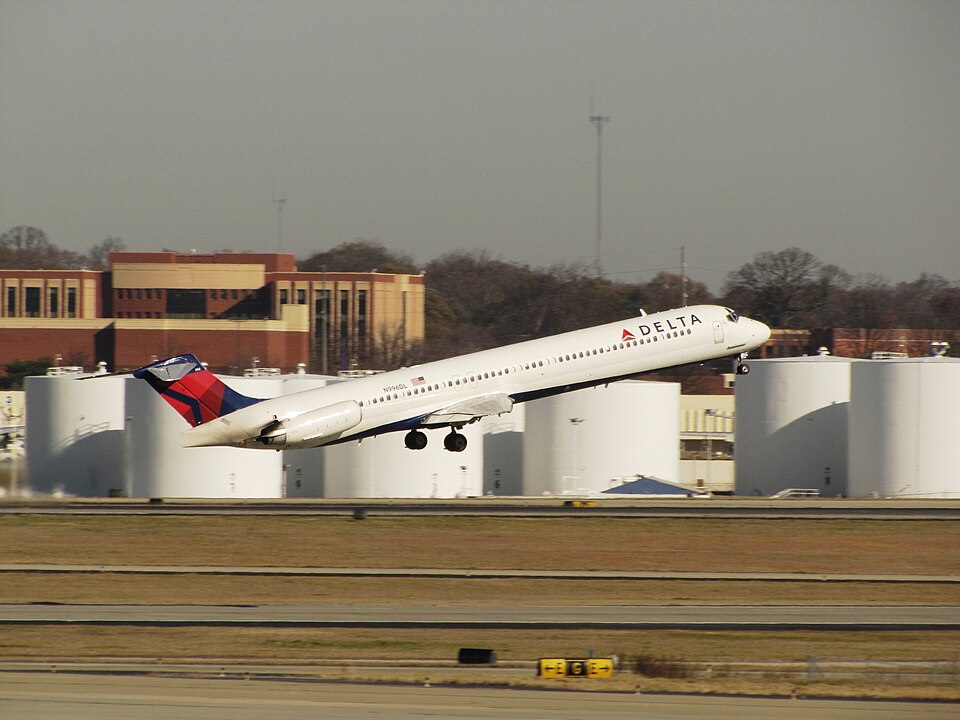
During the takeoff sequence, an air carrier airplane encountered severe vibrations and a loss of power from the right engine. The event followed a partial loss of 4th stage turbine blades in that engine. The flight crew noted the vibrations and a decrease in hydraulic fluid quantity and pressure shortly after reaching VR. They also observed a loss of right engine pressure ratio (EPR) and the illumination of the right engine thrust reverser indication lights.
Flight Crew Actions
In response to the anomalies, the flight crew reduced power to the right engine. They subsequently landed the airplane without further incident at the departure airport. The landing was uneventful.
Engine Examination
Post-incident inspection of the right engine revealed that the engine event was caused by an imbalance of the low pressure turbine (LPT) rotor. This imbalance resulted from the loss of significant material from the 4th stage blade airfoil and shroud. The imbalance led to rubbing between the LPT shaft and the high pressure turbine (HPT) shaft. Eventually, a hole was rubbed through the LPT shaft. Oil in the area of the shaft rub ignited, giving the LPT shaft a burned-through appearance. The extent of damage to other systems—including hydraulic lines, EPR reference lines, and fire warning systems—was attributed to the duration of excessive vibration experienced until the engine was safely shut down.
Background
Prior to the incident, the right engine had been placed on a 50-cycle continue-in-service limitation, in accordance with a Pratt & Whitney internal engineering notice, due to missing 4th stage turbine blade shroud or shrouds. At the time of the event, the engine had accumulated 13 cycles of the 50-cycle limit. The post-incident blade material loss observed was well above that allowed under the continue-in-service limits. The imbalance was most likely the result of another event that occurred after the continue-in-service shroud inspection. The cause of the 4th stage material loss could not be conclusively determined.