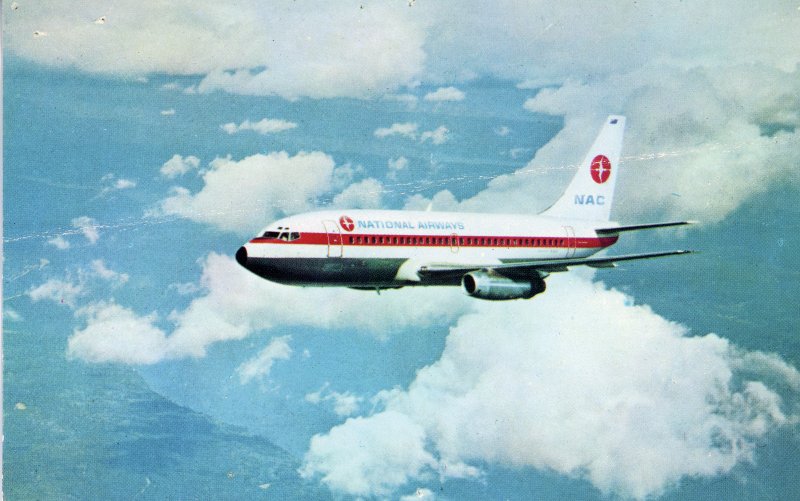
What happened
Flight 2686 was operating under visual flight rules when it encountered moderate turbulence approximately 12 to 15 minutes after takeoff while in the climb phase. At the time of the encounter, the seat belt sign was illuminated, indicating that passengers and crew should remain seated with their belts fastened. Despite this warning, one of the flight attendants was thrown to the floor and sustained serious injuries during the turbulence event.
According to the pilot's account, the flight crew had not been informed of a pilot report (PIREP) regarding turbulence in the vicinity at 0736 hours prior to the incident. The lack of awareness regarding the earlier weather report may have contributed to the crew's inability to anticipate or avoid the turbulent conditions.
The investigation
The National Transportation Safety Board (NTSB) investigated the incident to determine the cause of the turbulence and the circumstances leading to the injury. Investigators examined weather data, pilot reports, and the flight recorders to reconstruct the sequence of events. The investigation focused on whether the crew had adequate information about the weather conditions and whether proper procedures were followed.
Findings
The investigation found that the moderate turbulence was a contributing factor to the injury. The fact that the seat belt sign was illuminated suggests that the crew was aware of potential hazards but may not have fully appreciated the severity of the turbulence in the specific area. The failure to communicate the earlier pilot report of turbulence to the flight crew is noted as a significant gap in situational awareness.
The NTSB concluded that the incident highlights the importance of timely weather information sharing among flight crews and ground personnel. Even with warning signs, unexpected turbulence can occur, and adherence to safety protocols is critical to minimizing injuries.