Event Description
During passenger boarding, a parked aircraft was struck by an aircraft tug. The tug driver was moving the vehicle into position to connect the tow bar for pushback. When the driver placed the tug into gear, it lurched forward into the aircraft. Pieces of the aircraft protruded through the tug's windshield, pinning the driver in his seat. The driver was unable to shift the vehicle into reverse and could not release the accelerator pedal due to his leg being pinned. Other ground workers attempted to shut off the tug's engine. The vehicle continued to drive forward until the engine was finally shut off. Meanwhile, the pilot of the aircraft applied the brakes upon noticing the unplanned movement. The aircraft was pushed backward approximately 30 feet, resulting in damage to the nose section of the fuselage.
Subsequent Investigation
After the incident, the tug was placed on jacks and examined. The check revealed that the normal engine shutoff switch would not stop the engine when operated at high throttle settings. Additionally, at high throttle, the brake system could not stop the rotation of the drive wheels. No anomalies were found that would explain the initial lurch described by the driver. The tug had been involved in a previous incident where an aircraft was damaged; that incident also involved a lurch when the driver attempted to move the tug into position. The tug manufacturer stated that they had no records of operational problems with that model and were not aware of a history of lurching issues.
Aircraft Information
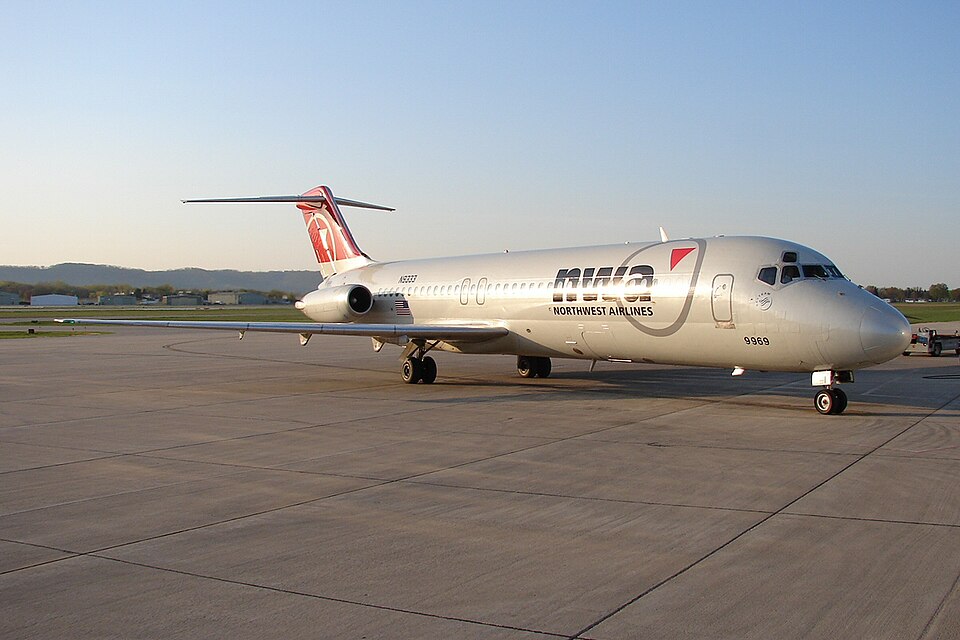
The aircraft involved was a DC-9. The distance from the cab of the tug to the nose of a DC-9 when the tow bar is attached is 4 feet 2 inches.