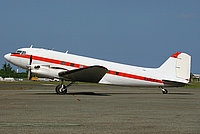
Incident Overview
During a smoke jumper drop mission on the Dusenbury fire incident in the South Warner Wilderness area of the Modoc National Forest, a spotter sustained a broken leg after the aircraft encountered sudden wind shear. The pilot subsequently diverted the flight to Alturas.
Mission Details
According to the operator, the mission involved dropping nine smoke jumpers over the fire at 8,500 feet mean sea level (msl) in five passes. Four additional passes were made to drop cargo. The air was described as smooth during the descent over the fire. After jump operations were completed, the aircraft performed 360-degree circuits to gain altitude for the return flight to Redding.
Cabin Securing and Turbulence Encounter
During the return flight, the "fasten seatbelt" sign was turned off for jump operations and cabin securing. Two cabin crewmembers (spotters) were on board and were securing the cabin for the flight back to Redding. As the aircraft crossed over a ridge line at 9,000 feet msl (800 feet above ground level), it encountered a sudden wind shear or downdraft, followed immediately by a return to smooth air.
Injuries and Response
One spotter hit his helmet on the ceiling but was not injured. The second spotter, located in mid-cabin, reported, "I just broke my leg." No other turbulence was encountered before or after the event. The pilot diverted the flight to Alturas for medical attention.
Post-Accident Actions
Following the incident, the pilot filed a "Safecon Aviation Safety Communique" through the U.S. Forest Service aviation management website. The pilot also made recommendations to prevent similar occurrences, including emphasizing cabin safety awareness, the potential for hidden turbulence over mountainous terrain, the importance of remaining in stable air while cabin personnel are securing cargo, and ensuring all personnel are seated with seatbelts fastened when turbulence is anticipated.