Casualties unknown

Passenger Injured During Emergency Evacuation After Engine Start Issue (N754NW)

Indianapolis, IN, US

On January 24, 2002, a Mcdonnell Douglas DC-9-41 (registration N754NW) was involved in an aviation accident near Indianapolis, IN. Investigators recorded the probable cause as: The engine start fuel scheduling for the Fuel Control Unit was high, and the ignition exciter box operated intermittently on the D.C. circuit used for engine start. This summary draws on records from the U.S. National Transportation Safety Board (NTSB) historical archive.

Sourcesthe U.S. National Transportation Safety Board (NTSB) historical archivePrimary reportUpdated 2026-06-10Data APIEditorial standards
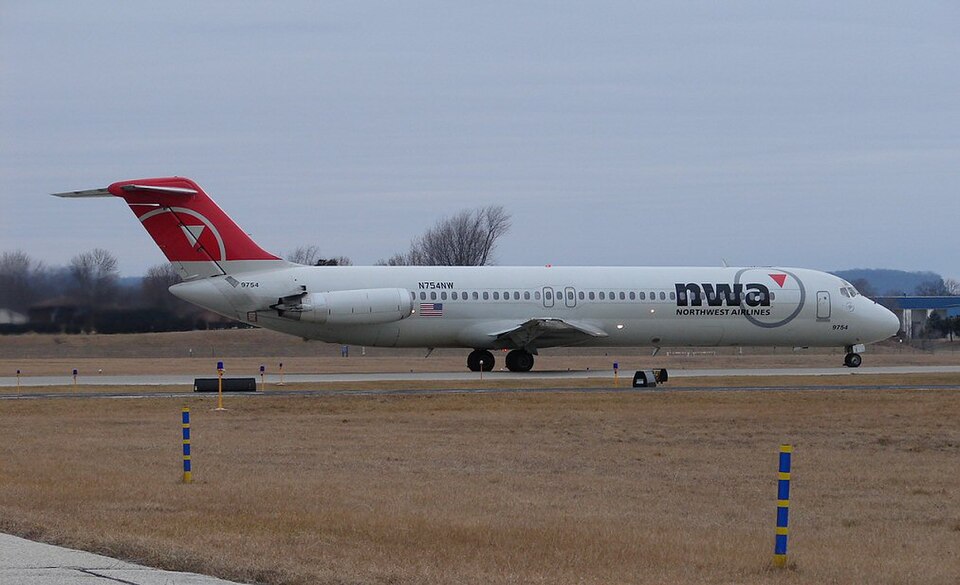
Aircraft registered N754NW
Aircraft registered N754NW. Photo: Cory W. Watts from Madison, Wisconsin, United States of America / CC BY-SA 2.0, via Wikimedia Commons

A passenger broke a wrist during an emergency evacuation after smoke and flames were observed from an engine. Investigation found high fuel scheduling and intermittent ignition exciter operation.

Incident

An airplane was positioned near the end of a runway with engines shut down during an air traffic control delay. After approximately 15 minutes, ground control informed the flightcrew that they should start their engines in anticipation of a takeoff release. The captain reported being unable to start the right engine. After performing a clearing procedure, the left engine was started without issue. The crew then attempted to restart the right engine.

Evacuation

Airport Rescue and Firefighting (ARFF) personnel parked near the airplane observed smoke and flames coming from the right engine and reported this to air traffic control. The cockpit did not indicate any fire warnings. The flightcrew performed the ENGINE FIRE checklist and discharged both fire suppressant bottles into the engine. They eventually shut down both engines. ARFF requested that the flightcrew begin evacuating the airplane. All passengers were directed to the front of the aircraft and evacuated using the 1L and 1R doors.

Injuries

A witness reported that the injured passenger stepped onto the slide after exiting the airplane, bounced down the slide, and went over the side approximately four to five feet above the ground, sustaining a broken wrist.

Investigation

The investigation revealed that the engine start fuel scheduling for the Fuel Control Unit was high. Additionally, the ignition exciter box and igniter plugs were tested. The ignition exciter box was found to operate intermittently on the D.C. circuit, which would be used for engine start.

Probable cause

The engine start fuel scheduling for the Fuel Control Unit was high, and the ignition exciter box operated intermittently on the D.C. circuit used for engine start.

Investigation report by the U.S. National Transportation Safety Board (NTSB) historical archive. Original record: https://carol.ntsb.gov/event/20020125X00135. This page is a structured re-presentation; facts and quotes are in the National Transportation Safety Board (NTSB), United States.