Casualties unknown

Emergency Landing After Engine Failure Results in Inverted Resting Position (N742)

Winnemucca, NV, US

On March 8, 2002, a Piper PA-18-150 (registration N742) was involved in an aviation accident near Winnemucca, NV. Investigators recorded the probable cause as: The pilot's inadequate fuel consumption calculations that lead to fuel exhaustion. This summary draws on records from the U.S. National Transportation Safety Board (NTSB) historical archive.

Sourcesthe U.S. National Transportation Safety Board (NTSB) historical archivePrimary reportUpdated 2026-06-10Data APIEditorial standards
Aircraft registered N742
Aircraft registered N742. Photo: U.S. Fish and Wildlife Service / Public domain, via Wikimedia Commons

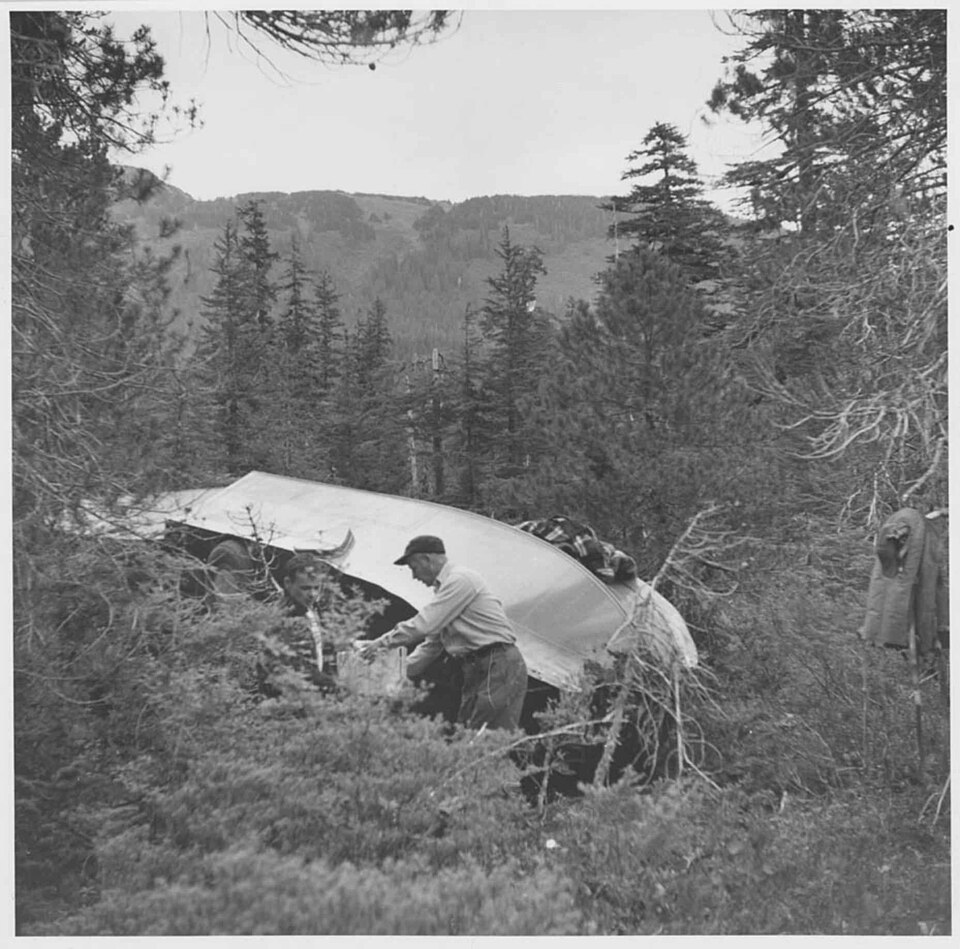
An airplane conducting an animal control flight experienced an engine failure while entering the traffic pattern. The pilot performed an emergency landing in an open field, but the airplane came to rest inverted after contacting uneven terrain.

Accident Description

The pilot of an airplane performing an animal control flight reported that the engine began to run rough and subsequently quit while the airplane was attempting to enter the traffic pattern for landing at an airport. The pilot searched for a suitable landing area, and the engine momentarily caught, allowing the pilot to continue flying towards the airport. However, the engine quit again, and the pilot selected a spot straight ahead for an emergency landing.

Emergency Landing and Rollout

The pilot executed an emergency landing in an open field. During the landing rollout on uneven, highly vegetated terrain, the left main landing gear contacted brush and the top of a dune, causing the left main landing gear to collapse. The airplane then went up on its nose and came to rest inverted.

Flight Information

The airplane had been refueled with 36 gallons of fuel that morning and had flown for 5.5 hours prior to the accident. According to the pilot, the fuel burn at 75 percent power is 9.7 gallons per hour.

Post-Accident Inspection

Following the accident, the engine was visually inspected and an engine run was conducted. No mechanical anomalies were noted during the inspection.

Investigation report by the U.S. National Transportation Safety Board (NTSB) historical archive. Original record: https://carol.ntsb.gov/event/20020314X00347. This page is a structured re-presentation; facts and quotes are in the National Transportation Safety Board (NTSB), United States.