Incident Overview
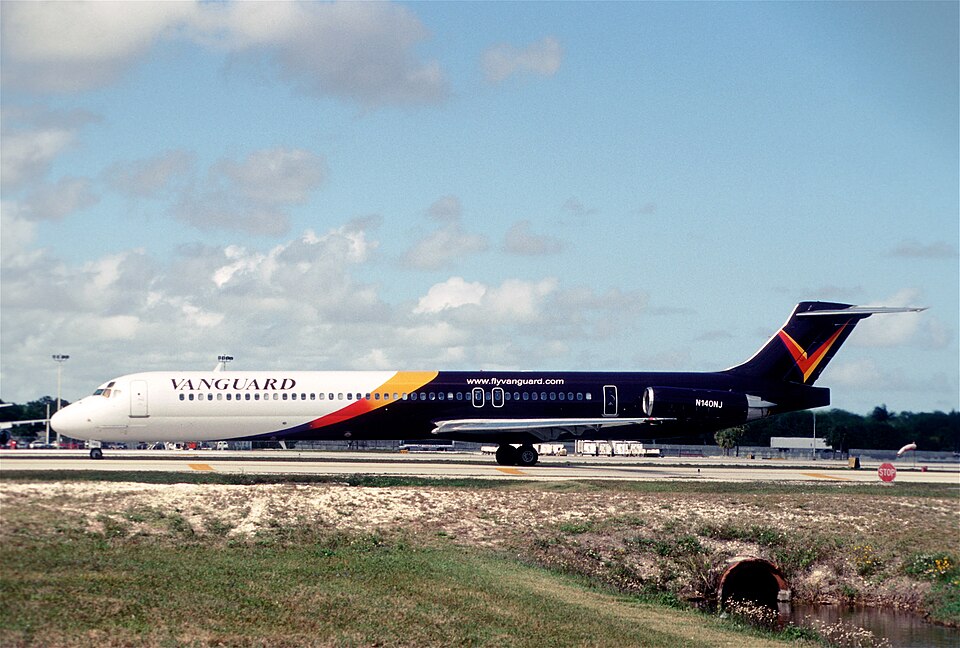
A postflight maintenance inspection revealed substantial damage to the tailskid and adjacent structure of an airplane. The flight had been conducted as a captain initial operating experience (IOE) for the first officer, who occupied the left seat. The captain, also serving as the company check airman, was seated in the right seat. A jump seat rider seated in the forward cabin provided observations of the landing sequence.
Jump Seat Rider Account
The jump seat rider reported that the airplane appeared to level off and begin a flare slightly higher than usual. A correction was then made to reduce the pitch attitude, allowing the descent to continue. Subsequently, there seemed to be a high sink rate, prompting an additional pitch adjustment. This resulted in a firm landing.
Damage Discovery
No abnormalities were noted during the flight or immediately after landing. The damage was only identified during the subsequent maintenance inspection. The extent of damage was limited to the tailskid and adjacent structure, classified as substantial.
Operational Context
This flight was part of the first officer's initial operating experience, a training period under the supervision of a check airman. The seating arrangement placed the first officer in the left (captain's) seat, while the captain and check airman occupied the right seat to monitor performance.