Casualties unknown

2003-01-16: Boeing 737-83N (N303TZ) — American Trans Air Inc — Indianapolis, IN

Indianapolis, IN, US

On January 16, 2003, a Boeing 737-83N (registration N303TZ) operated by American Trans Air Inc was involved in an aviation accident near Indianapolis, IN. Investigators recorded the probable cause as: The ground tow personnel not maintaining clearance from the de-icing vehicle during the tow back to the gate. This summary draws on records from the U.S. National Transportation Safety Board (NTSB) historical archive; 1 related events involving the same aircraft type or operator are linked below.

Sourcesthe U.S. National Transportation Safety Board (NTSB) historical archivePrimary reportUpdated 1781061362Data APIEditorial standards
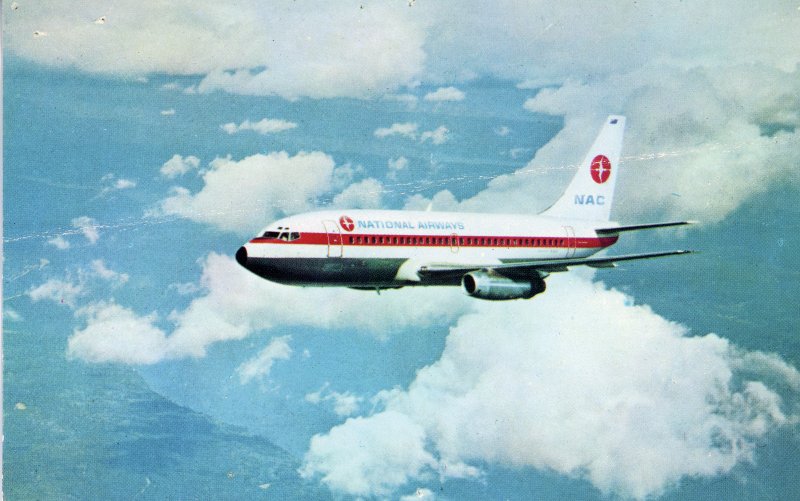
Boeing 737-83N
Photo: San Diego Air & Space Museum Archives / Public domain, via Wikimedia Commons

An aircraft sustained minor damage after colliding with a deicing truck during towback. No injuries occurred. Visibility was limited due to light snow and mist.

Incident Overview

An airplane struck a deicing truck as it was being towed back to the gate, resulting in minor damage to the aircraft. No injuries were reported.

Operator's Account

According to the operator, the deicing truck had repositioned itself off the left wing and forward, waiting to deice another aircraft. The left wing walker left his post at the request of the tug driver to scrape snow off the lead-in line with his boot. The aircraft then impacted the deicing truck, dragging it approximately 15 feet. The truck went up on two wheels and was pinned at a 45-degree angle. The tow was stopped and appropriate calls were made.

Environmental Conditions

At the time of the incident, visibility was 1 and 1/2 statute miles, and present weather conditions included light snow and mist.

Operator's Procedures

The operator's procedures in effect at the time stated that the tow tug operator shall ascertain exactly where the aircraft is to be towed and positioned, and know or view the precise route to be taken. Furthermore, the operator shall undertake or continue a towing/pushing procedure only when visual contact with all necessary guidemen is possible. Obstructed vision is the signal to stop and re-establish the necessary guidemen contacts.

Investigation report by the U.S. National Transportation Safety Board (NTSB) historical archive. Original record: https://carol.ntsb.gov/event/20030122X00086. This page is a structured re-presentation; facts and quotes are in the National Transportation Safety Board (NTSB), United States.