Paraglider Crash in Puente Alto Injures Pilot and Passenger
A SkyWalk Join't 3 paraglider crashed into the ground near Las Vizcachas, Chile, on September 1, 2024. The pilot and passenger sustained serious spinal…
On June 18, 2003, an Embraer EMB-145LR (registration N294SK) operated by Chautauqua Airlines, Inc. was involved in an aviation accident near Taylor, FL. Investigators recorded the probable cause as: The in-flight encounter with turbulence during normal descent resulting in a serious injury to a passenger. A finding in the investigation was the seatbelt sign had been on for approximately 2 minutes at the time of the turbulence encounter. This summary draws on records from the U.S. National Transportation Safety Board (NTSB) historical archive.
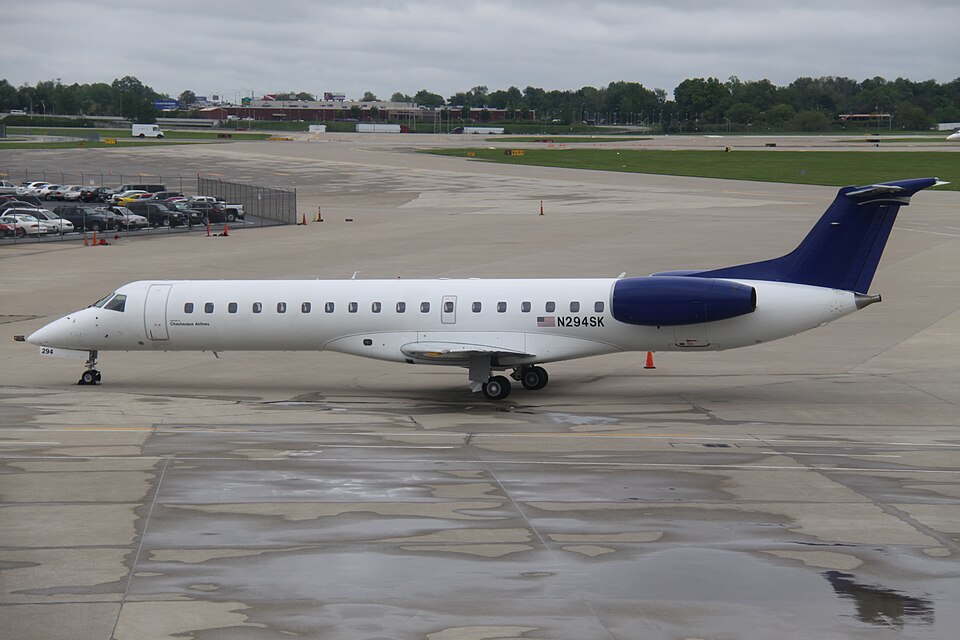
A passenger sustained a broken foot after falling during moderate turbulence while the aircraft was descending near Orlando. The flight diverted to Orlando, where the passenger received medical assistance.
A SkyWalk Join't 3 paraglider crashed into the ground near Las Vizcachas, Chile, on September 1, 2024. The pilot and passenger sustained serious spinal…
A Cessna 172N struck electrical cables while on final approach to land at Aucó Aerodrome in Chile. The pilot was uninjured, but the aircraft sustained damage…
A Bombardier DHC-8-402 suffered a tail strike during landing at Puerto Williams on September 9, 2024. All 76 occupants were unharmed, but the aircraft…
A MYD JS-MD 3 glider veered off the runway and struck a wall at Vitacura Aerodrome on January 6, 2025. The pilot was uninjured, but the aircraft sustained…
A recreational paraglider flight in Puchuncaví, Chile, ended with the pilot sustaining serious injuries after a rapid descent and impact with a hillside on…
A Tecnam P2006T landed on its belly at an aerodrome in Poland after the crew failed to confirm landing gear deployment. The incident resulted in no injuries…