Incident Overview
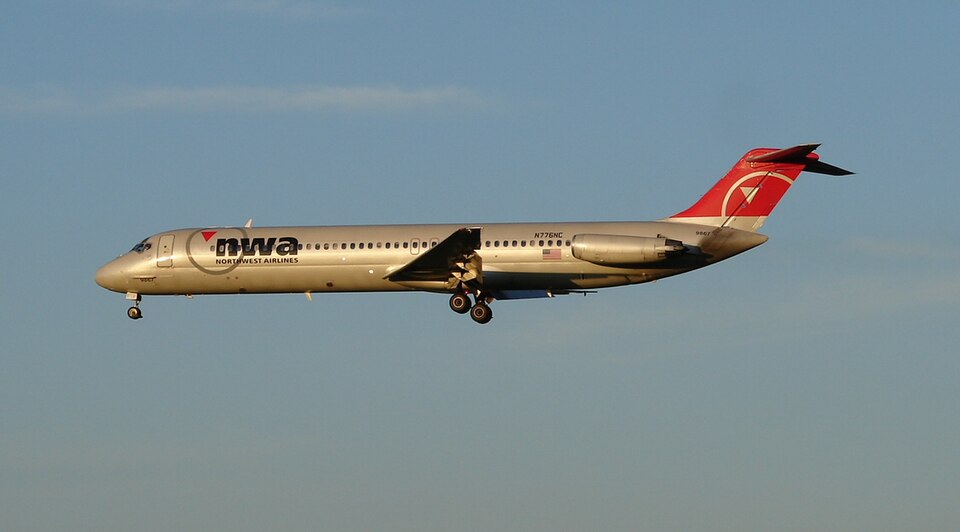
An airline employee was fatally injured while attempting to connect a tractor tug to a towbar attached to the nose gear of an airliner parked at a gate. The aircraft was boarding passengers for a Title 14, CFR Part 121 flight at the time. A ramp witness observed the tug driver maneuver the tug toward the towbar, heard a loud noise, and saw the towbar buckle and "go into the air." The witness then saw the tug moving directly into the aircraft. The employee driving the tug was trapped between the tug and the airplane's radome, resulting in fatal injuries.
Tug and Towbar Details
The tug had an open-air type cab. Inspection and testing after the accident found no anomalies with the tug's operational capabilities, and it had been operated several times earlier that day without issues. Documentation of the tug and towbar revealed that the towbar was not engaged with the tug and had been pushed (jammed) into the tug as the tug moved toward the airplane.
Ramp Conditions and Staffing
Ramp conditions at the time were adequately illuminated and dry. Passengers were still boarding, and there was no urgency for the pushback. Ground operations staffing included four employees, consistent with the airline's station staffing model. The investigation determined that the staffing level had no direct bearing on the accident.
Employee Training and Qualifications
The airline required a recurring practical evaluation of ground operational safety every three years. An examination of training records and interviews revealed that the employee involved had not received pushback training since 1992 and was not formally qualified or authorized to conduct pushback operations at the time of the accident. On the day of the accident, she had been assigned bag room duties. The investigation could not determine how frequently or recently she may have operated the pushback tractor or how familiar she was with its controls.
Post-Accident Actions
Following the accident, the airline began using a pushback tug equipped with a protective enclosure over the driver cab. Additionally, the airline issued supplementary guidance in its ground operations manual regarding pushback operations, including requiring an extra person to assist in connecting the towbar to the tug.