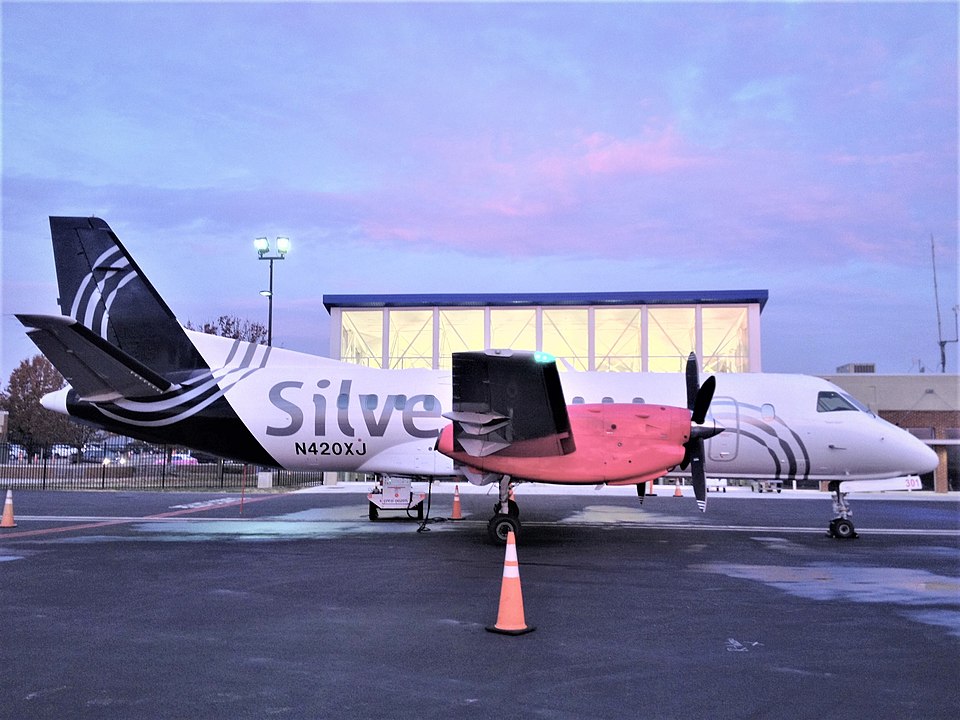
Accident Description
A scheduled domestic passenger flight was being pushed back for taxi when it struck an unoccupied airplane parked on the ramp. Both aircraft sustained substantial damage. The two flight crewmembers, one cabin crewmember, and 29 passengers were uninjured. Dark night visual meteorological conditions prevailed at the time of the accident.
Pushback Operator Statement
The push tug operator stated that during the pushback, he was attempting to perform the maneuver as trained by aligning the front wheels on a painted line. He noted that he normally works on the east side, where a line is used for front wheel positioning, and had not previously performed a pushback on the west side. While pushing the aircraft back, he began looking for the line. As he approached the line, the wing walker had stopped walking the wing and was positioned to his left and slightly behind him. The wing walker reported giving a stop signal, but due to her position, the operator could not see her. She then ran up to him and told him to stop, but it was already too late.
Company Procedures
Excerpts from the airline's Station Operations Manual outlined responsibilities and procedures for pushback operations. The pushback operator and the captain share overall responsibility for safe conduct. The pushback operator must remain alert for signals from wing walkers and stop the pushback if visual contact is lost. Before pushback, the operator must determine the destination, route, and potential clearance problems, and review the route with the captain. During pushback, the operator must push only when clearance from obstructions and visual contact with wing walkers are maintained. The pre-pushback checklist includes assessing route, clearances, and ramp conditions.
Drug Testing
The push tug operator tested positive for cocaine metabolite. Title 14 Code of Federal Regulations Part 121, Appendix I requires that every person performing a safety-sensitive function be tested under an FAA-approved antidrug program. However, the push tug operator was not on the FAA's safety-sensitive list. An airline representative reported that the company's policy mandates a pre-employment drug test for all safety-sensitive and non-safety-sensitive employees; the operator's pre-employment drug test was negative. The airline had a drug policy and an employee assistance program in place at the time of the accident. The supervisor and coordinator for the accident gate area were two gates away and did not directly observe the pushback. Following the accident, the airline established a policy of random drug testing for all employees as a condition of employment.