Incident Overview
While in cruise flight, the flight crew heard a loud "bang" from the rear of the cabin, accompanied by a momentary shudder and bounce of the aircraft. The crew continued to the destination airport and landed without further incident.
Post-Flight Observations
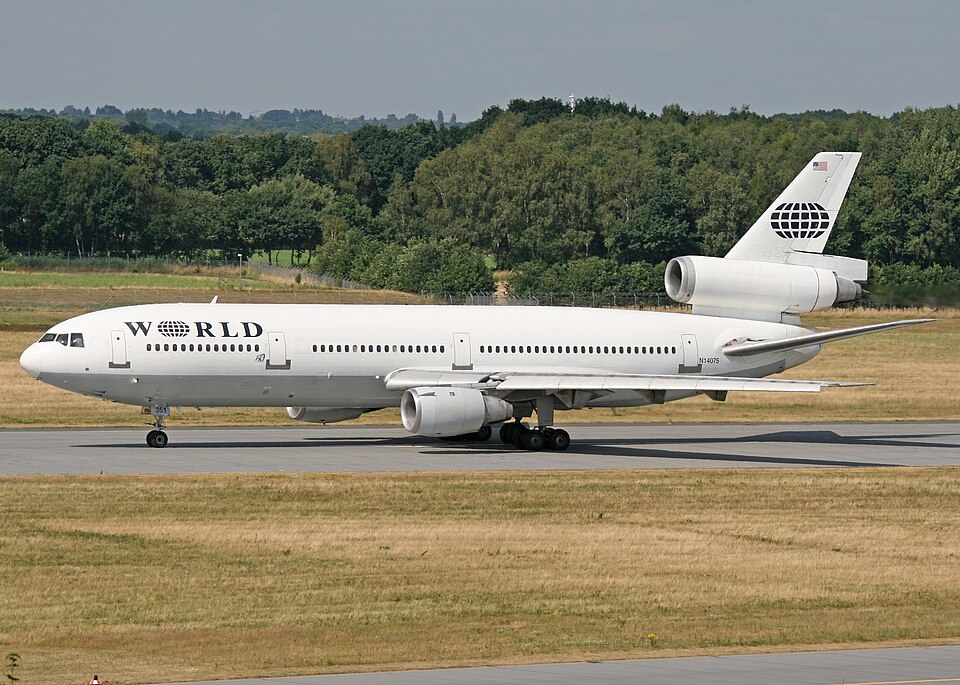
After landing, inspection revealed that the number two right engine cowling had separated from the engine in flight and struck the right inboard elevator, causing damage. The cowling was missing from its mounting structure.
Maintenance Findings
Examination of the airplane showed that the upper forward hinge of the engine cowling was designed to be secured by three bolts. However, only one bolt remained attached at the time of the incident. No evidence was found that the other two bolts had torn away during flight—they were absent prior to separation.
Fretting was observed in the area surrounding the bolt holes. This type of wear is consistent with oscillation of the hinge over an extended period, resulting from the absence of the two bolts.
Manual and Accessibility Issues
The airliner's maintenance manual required a general inspection of the cowling area but did not specifically include the cowling hinge bolts in its procedures. Additionally, the hinge location was not easily accessible for maintenance personnel, which may have affected the thoroughness of inspections.
Conclusion
The separation of the engine cowling was directly due to the absence of two bolts on the upper forward hinge, which allowed oscillation and fretting to occur, ultimately leading to the cowling departing the aircraft during flight.