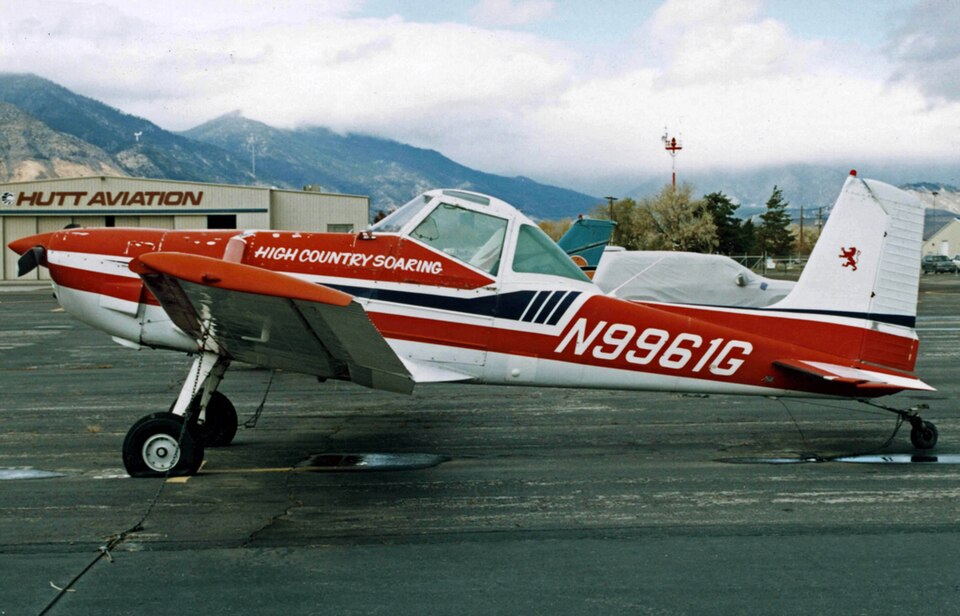
What happened
The accident occurred during the landing phase of flight when the pilot lost directional control of a tailwheel-equipped, single-seat airplane. The incident took place while the aircraft was on the ground roll after touchdown. During this maneuver, the airplane yawed sharply to the left, resulting in a ground loop that caused the aircraft to lose stability.
The pilot had not previously flown this specific make and model of aircraft. To assist with the operation, the pilot received guidance from another individual via a handheld radio during the flight. This communication occurred specifically during the third landing attempt made by the pilot. Upon reducing power for the landing, the airplane exhibited immediate yawing to the left, leading directly to the loss of control event.
The investigation
Following the incident, an examination was conducted to determine the mechanical status of the aircraft and the circumstances surrounding the accident. The pilot reported that there were no anomalies with the airplane that would have contributed to the accident. No mechanical failures or malfunctions were identified as factors in the loss of control.
Findings
The primary factor contributing to the accident was the pilot's lack of prior experience in the specific make and model of the single-seat aircraft. The combination of this inexperience with the inherent handling characteristics of the tailwheel configuration during the landing roll led to the ground loop. The pilot was attempting to manage the aircraft without sufficient familiarity with its controls, relying on external radio guidance which proved insufficient to prevent the loss of control.
Safety message
Pilots operating tailwheel-equipped aircraft should ensure they have adequate experience and training in the specific make and model before attempting landings. Ground looping is a common risk for pilots unfamiliar with the directional control requirements of taildragger configurations, particularly during the critical phase of landing roll.