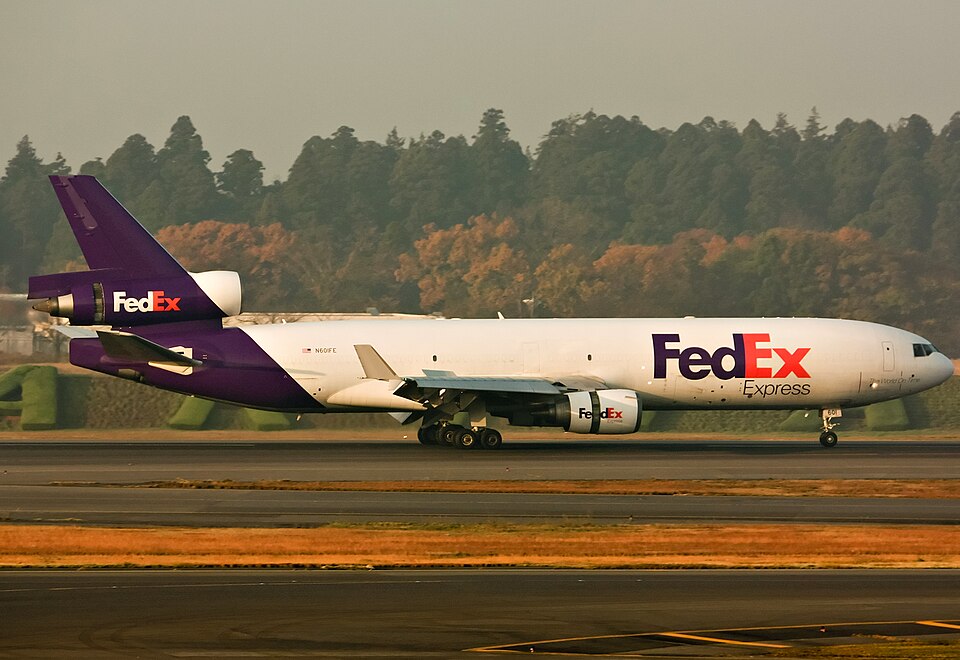
FedEx Boeing Aircraft Tailstrike During Go-Around

Casualties unknown • Memphis, TN, US

A FedEx crew experienced a tailstrike during an aborted landing attempt after initiating reverse thrust on a Boeing aircraft.

What happened

The approach to landing was performed normally, and the crew reported that while the touchdown was firm, it was not classified as a hard landing. Following touchdown, the aircraft pitched up and bounced. As the speed decreased to 107 knots and reverse thrust had been initiated, the captain became concerned about a potential porpoising event and elected to perform a go-around maneuver.

During the maneuver, the pilot rotated the Boeing aircraft to a nose-high attitude of approximately 12 degrees before achieving sufficient airspeed or a positive rate of climb. Consequently, the rear fuselage of the aircraft contacted the runway for a distance of approximately 3,000 to 4,000 feet, resulting in substantial damage to the airframe. The aircraft subsequently lifted off, and the crew successfully completed a second landing on runway 36R without further incident.

Findings

Boeing training documentation and FedEx guidance specify that once reverse thrust has been initiated, a full stop landing must be performed and a go-around should not be attempted. Furthermore, FedEx tailstrike awareness training dictates that the pilot flying must not exceed a 10-degree pitch or retract the landing gear until the aircraft is safely airborne with a positive rate of climb.

Probable cause

The captain's decision to execute a go-around after initiating reverse thrust, combined with exceeding the recommended pitch attitude during the maneuver, led to the rear fuselage contacting the runway.

Frequently asked questions

What happened in the 2004-09-19 Boeing MD-11 accident near Memphis, TN?

A FedEx crew experienced a tailstrike during an aborted landing attempt after initiating reverse thrust on a Boeing aircraft.

What aircraft was involved and where did it happen?

The accident on 2004-09-19 involved a Boeing MD-11, registration N601FE, at Memphis, TN.

What was the probable cause of the accident?

The captain's decision to execute a go-around after initiating reverse thrust, combined with exceeding the recommended pitch attitude during the maneuver, led to the rear fuselage contacting the runway.

Investigation report by the U.S. National Transportation Safety Board (NTSB) historical archive. Original record: https://carol.ntsb.gov/event/20041209X01953. This page is a structured re-presentation; facts and quotes are in the National Transportation Safety Board (NTSB), United States.

Loading the flight search…