Casualties unknown

2004-11-04: Robinson R-22 (N7188N) — Lunsford Air Inc. — Daytona Beach, FL

Daytona Beach, FL, US

On November 4, 2004, a Robinson R-22 (registration N7188N) operated by Lunsford Air Inc. was involved in an aviation accident near Daytona Beach, FL. Investigators recorded the probable cause as: The improper landing flare by an unknown pilot at an unknown time resulting in a hard landing and substantial damage to the helicopters tailcone. This summary draws on records from the U.S. National Transportation Safety Board (NTSB) historical archive; 8 related events involving the same aircraft type or operator are linked below.

Sourcesthe U.S. National Transportation Safety Board (NTSB) historical archivePrimary reportUpdated 1781061362Data APIEditorial standards
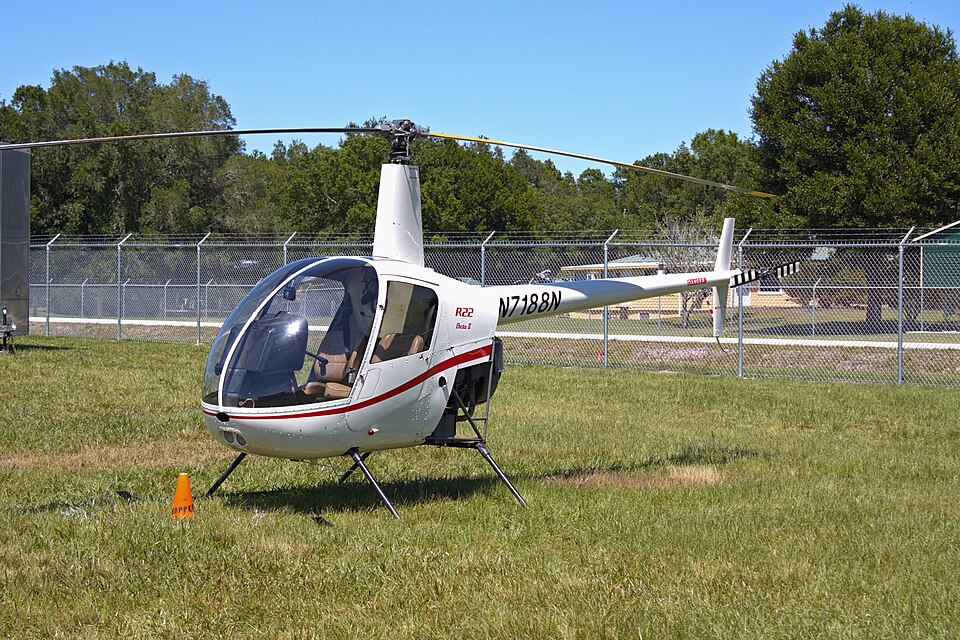
Aircraft registered N7188N
Aircraft registered N7188N. Photo: ZLEA / CC BY-SA 4.0, via Wikimedia Commons

Damage to a helicopter's tailcone assembly was found during preflight inspection. A major repair was required, including replacement of the forward bulkhead and skin. The damage was attributed to a hovering autorotation.

Discovery of Damage

During a preflight inspection, damage was discovered to the tailcone assembly of an unspecified helicopter. The nature and extent of the damage prompted further examination.

Manufacturer Consultation

The operator consulted with the helicopter's manufacturer to determine the necessary repair steps. It was determined that a major repair was required to return the helicopter to an airworthy condition. Specifically, the forward bulkhead, forward bulkhead skin, and doublers for that area of the tailcone had to be replaced.

Reporting Timeline

On December 3, 2004, an inspector from the FAA notified the NTSB of the damage. Five days later, on December 8, 2004, a completed Pilot/Operator Aircraft Accident Report was provided by the instructor pilot who had flown the helicopter the day before the damage was discovered.

Pilot Statement

The instructor pilot stated that he had not seen the damage and did not know when or how it occurred. He assumed the cause was from a hard set down during a practice hovering autorotation. A questionnaire submitted to the manufacturer by the operator to assist in assessing the repair type stated that "damage was sustained during a hovering autorotation."

Investigation report by the U.S. National Transportation Safety Board (NTSB) historical archive. Original record: https://carol.ntsb.gov/event/20050106X00019. This page is a structured re-presentation; facts and quotes are in the National Transportation Safety Board (NTSB), United States.