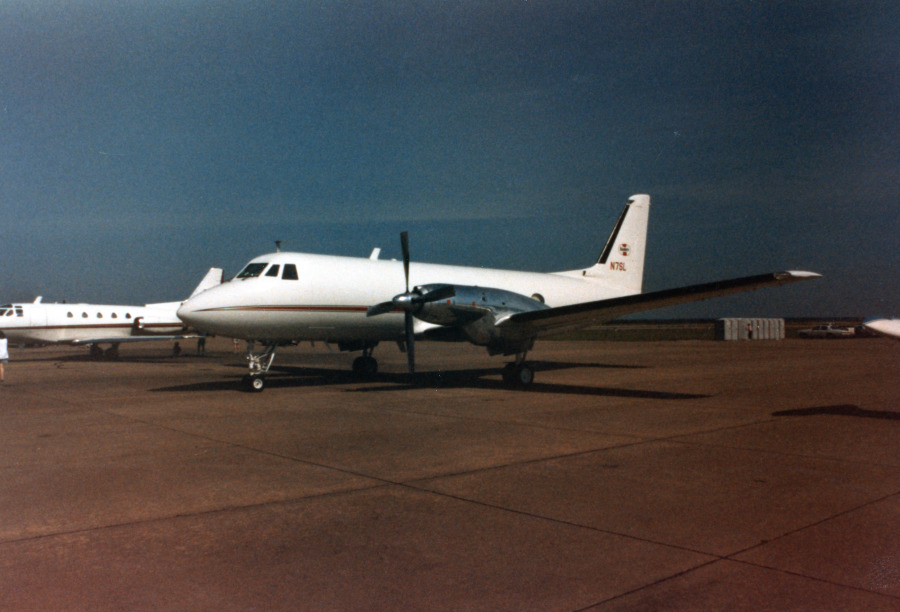
Incident Overview
The pilot-in-command (PIC) reported that after receiving takeoff clearance from runway 36, the airplane accelerated normally. At V1 (128 knots) and VR (134 knots), the pilot attempted to rotate by pulling the control column aft. However, the control column would not move aft from the neutral position. Forward movement was unaffected. The aft movement felt as if it was locked against a stop.
Event Sequence
At approximately 4,000 feet down the runway, with airspeed between 140 and 145 knots, the pilot observed no annunciator lights. The PIC then aborted the takeoff, deploying spoilers, applying maximum braking and reverse thrust, while maintaining runway centerline. The airplane overran the runway end, and the nose wheel collapsed in the mud.
Inspection Findings
Review of the airplane's logbooks revealed that a Dual Baker M1045 Cockpit Audio System had been installed in 1984 under Supplemental Type Certificate Number SA 4900SW. Examination of the cockpit showed that the handheld microphone audio jack assembly attached to the copilot's control column was bent downward. In this position, the audio jack assembly contacted the control column cover, preventing aft movement of the control column.
Regulatory Action
Subsequently, a new Airworthiness Directive was issued. It mandated modification of the microphone jack assembly and revision of the airplane flight manual to require repetitive visual checks of the microphone jack assemblies on both control columns to detect damage that could interfere with control column movement.