Incident Overview
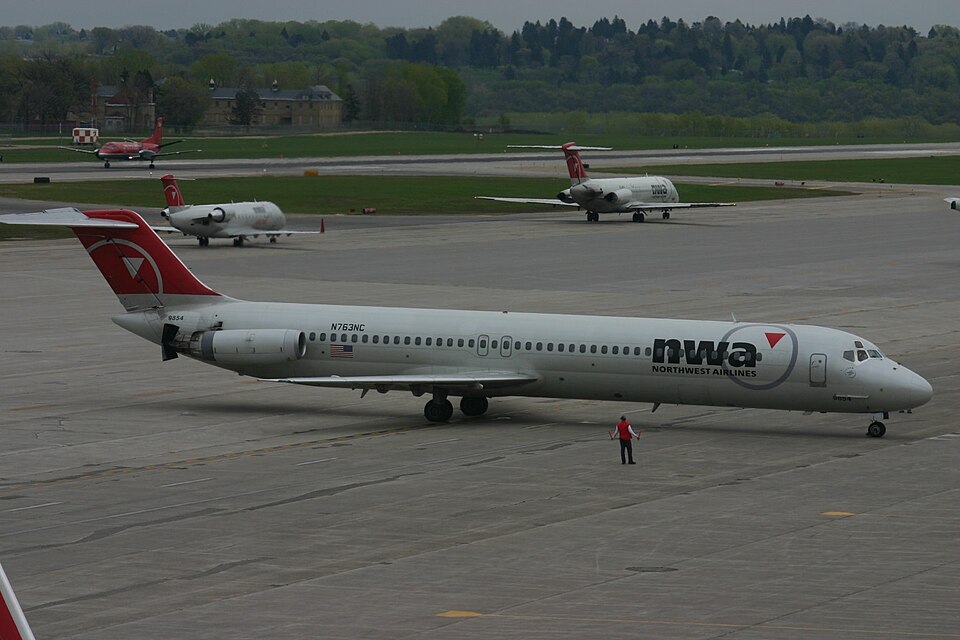
A DC-9 collided with a company A-319 while the DC-9 was taxiing to the gate and the A-319 was being pushed back from the gate. The collision occurred after the DC-9 experienced a loss of hydraulic fluid from a fractured rudder shutoff valve in the right hydraulic system during the flight. The left hydraulic system operated normally throughout the flight. The flight crew elected to continue to the scheduled destination and declared an emergency on approach, which was later negated after landing.
Hydraulic Failure and Engine Shutdown
During taxi to the gate, the left engine, which powers the left hydraulic system, was shut down. According to flight data recorder information, the left engine shutdown occurred while the aircraft was taxiing. The captain reported not remembering shutting down the left engine and stated that if he had done so, it would have been after clearing all runways. The first officer was unaware that the left engine had been shut down. With no hydraulic pressure from the left system and a failure of the right hydraulic system, the DC-9 experienced a loss of steering and a loss of brakes upon arrival at the gate.
Ground Collision
The flight crew requested company maintenance to chock the aircraft because they could not use the brakes to stop. They intended to keep the engines running in case reverse thrust was needed. However, the aircraft began to roll forward, and the captain applied reverse thrust, but the reversers did not deploy. The DC-9 impacted the A-319 at a speed of approximately 15.65 to 16.34 miles per hour.
Evacuations
Evacuation of the DC-9 was completed about 5 minutes and 22 seconds after the collision, while evacuation of the A-319 occurred approximately 13 minutes and 8 seconds after the collision.
Post-Accident Examination
Examination of the left hydraulic system revealed no anomalies. The right hydraulic system had a fractured rudder shutoff valve that displayed features consistent with fatigue. Following the accident, the aircraft manufacturer issued a service letter pertaining to the replacement of the rudder shutoff valve based on reliability information reported to them. The number of reports was greater than the Federal Aviation Administration's Service Difficulty Reports database but fewer than the operator's records.