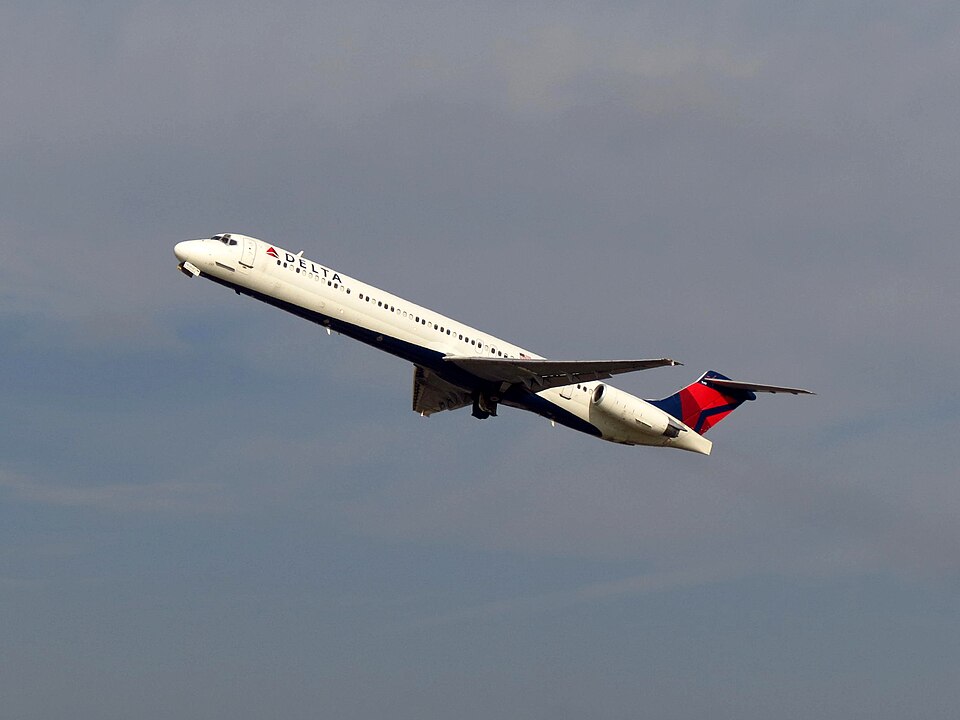
Incident Overview
Shortly after takeoff, the flight crew heard a loud bang and the cabin lost pressurization. The pilots then observed an unsafe nose gear indication. In response, they placed the landing gear handle in the down position and received three green lights, indicating all three landing gear were down and locked. The control tower confirmed that the landing gear appeared down when the aircraft performed a low pass over the airport. The flight subsequently made an uneventful landing at Denver.
Post-Flight Inspection
During post-accident examination, maintenance personnel discovered a hole in the forward pressure bulkhead and a broken nose gear actuator. Further inspection of the nose landing gear actuator revealed that the piston rod had worn threads. Additionally, a key locking washer in the gear assembly was found to be sheared. The airline reported that these components were original equipment.
Technical Findings
The combination of the worn actuator piston rod threads and the sheared locking washer resulted in the loss of nose gear actuator integrity. The failure of the actuator likely allowed the forward pressure bulkhead to be damaged, leading to the loss of cabin pressurization. No further details about the aircraft or flight were provided in the source.