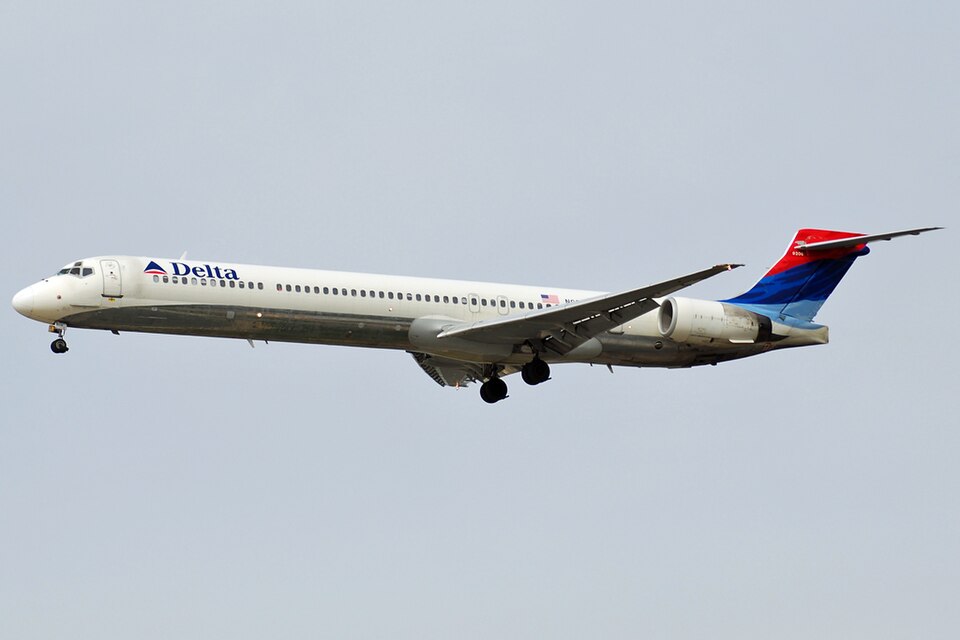
Incident Overview
During the final approach phase, the landing gear extension sequence was initiated. However, the nose gear UNSAFE light illuminated, indicating a potential problem with the nose landing gear. A low fly-by was conducted, during which control tower personnel visually confirmed that the nose gear appeared to remain retracted.
Maintenance Coordination and Landing
Following the visual confirmation, the flight crew consulted with the company's maintenance department. Several unsuccessful attempts were made to lower the nose gear using available procedures. Subsequently, the crew executed a nose gear-up landing.
Postaccident Examination
A postaccident examination of the aircraft revealed that the nose landing gear center spray deflector had fractured and rotated out of its normal position. This rotation physically prevented the nose gear from extending. The spray deflector is a component designed to deflect water and other runway debris kicked up by the nose wheel away from the rear-mounted engines. This deflection is intended to reduce the risk of engine flameouts and damage from ingested material.
Approximately one-third of the spray deflector was found to be broken off. A laboratory examination of the deflector determined that the fracture was typical of overstress.
Resulting Damage
In addition to the fractured spray deflector, the nose gear doors exhibited scraping damage. The aluminum skin located just aft of the nose wheel well was scraped through, exposing five longerons and six stringers. This breach compromised the pressure vessel of the aircraft.