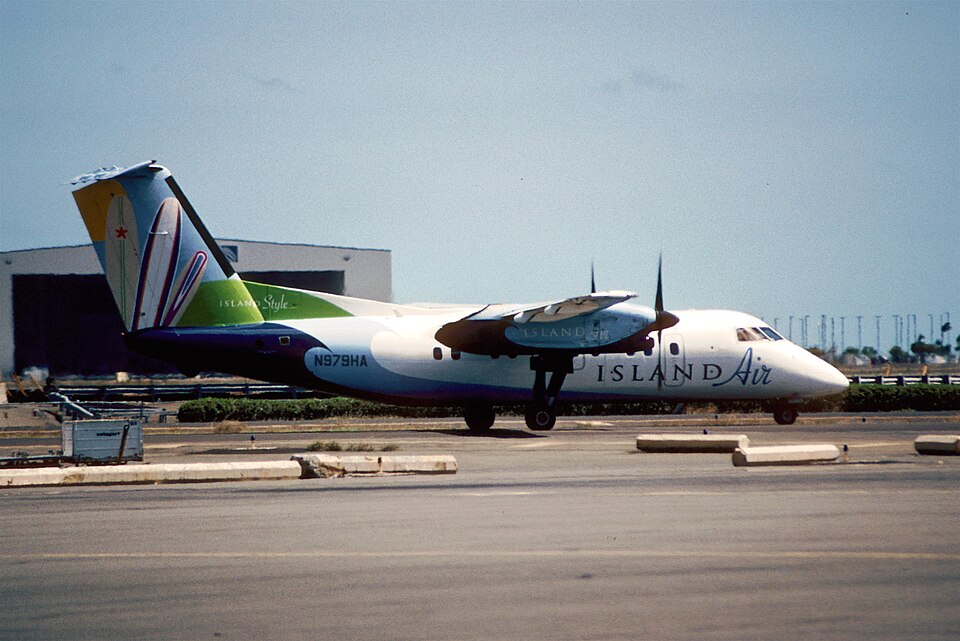
Incident Overview
An airplane encountered severe turbulence while descending en route, resulting in serious injuries to a deadheading captain who was not secured in his seat. The flight was a positioning flight with deadheading crew aboard.
Sequence of Events
Prior to the descent, the flying captain noticed an airspeed anomaly for the existing power setting and observed that the flap indicator showed a "slight" deployment of the flaps. He asked the deadheading captain to verify the flap position through a cabin window; the deadheading captain reported the flaps were fully retracted.
Around this time, air traffic control (ATC) requested a descent, which the flight crew initiated by reducing power to slow the airplane. As the deadheading captain was returning to his seat, the airplane encountered severe turbulence lasting 5 to 10 seconds. He was thrown about the cabin and injured.
The flying captain declared an emergency. The flight landed without further incident and taxied to the gate, where the injured crewmember was transported to the hospital.
ATC Communication and Turbulence Reports
A review of ATC recordings between Maui approach control (APCON), two other airplanes, and the accident airplane (call sign Moku 979) revealed that prior to Moku 979's check-in, the other two airplanes reported moderate turbulence at 4,000 feet and moderate to occasional severe turbulence between 2,000 and 2,500 feet. Both were about 15 miles east of Maui, near the accident airplane's location.
The controller contacted Flight Service Station (FSS) to relay the pilot reports (PIREPs). Approximately 75 seconds later, Moku 979 reported to approach control. The controller told them to "expect lower in 5 miles" but did not advise Moku 979 of the reported turbulence. Ninety-five seconds later, the controller instructed Moku 979 to begin a descent to 1,500 feet. Fifteen seconds later, Moku 979 declared an emergency and reported the injury.
Injuries and Outcome
The deadheading captain sustained serious injuries. No other injuries were reported. The flight completed its approach and landing safely.