Accident Narrative
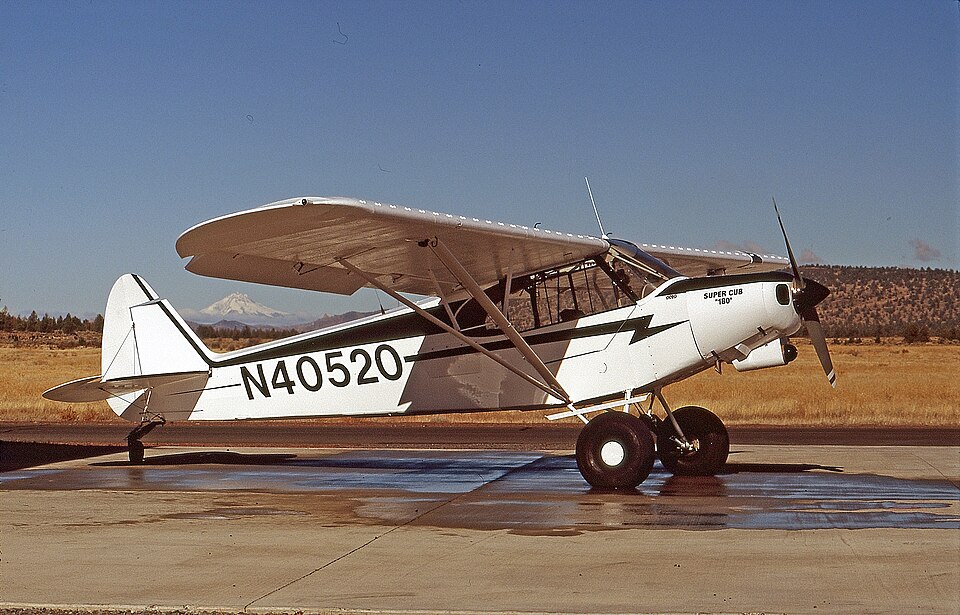
On the day of the accident, the pilot conducted a preflight inspection of the aircraft. During the check of the fuel system, the pilot examined the fuel level sight gauges, which consist of clear tubes. He observed that no meniscus point was visible in the tubes. The pilot interpreted this condition as indicating that the fuel tanks were completely full, with the entire sight gauge filled with fuel. Consequently, he did not perform any additional checks to verify the fuel quantity.
Approximately five minutes after takeoff, the engine lost power due to fuel exhaustion. The pilot executed a forced landing on soft, brushy terrain. During the landing roll, the pilot applied excessive braking in an attempt to stop the aircraft before reaching a line of trees. This action caused the aircraft to nose over.
After the accident, the pilot reviewed his fueling log and realized that the fuel tanks had been nearly empty prior to the flight. He then understood that the absence of a meniscus point in the sight gauges was because the tubes were completely filled with air, not fuel. The pilot acknowledged that he had not visually checked the fuel tanks themselves during the preflight inspection, relying solely on the sight gauges.