Incident Overview
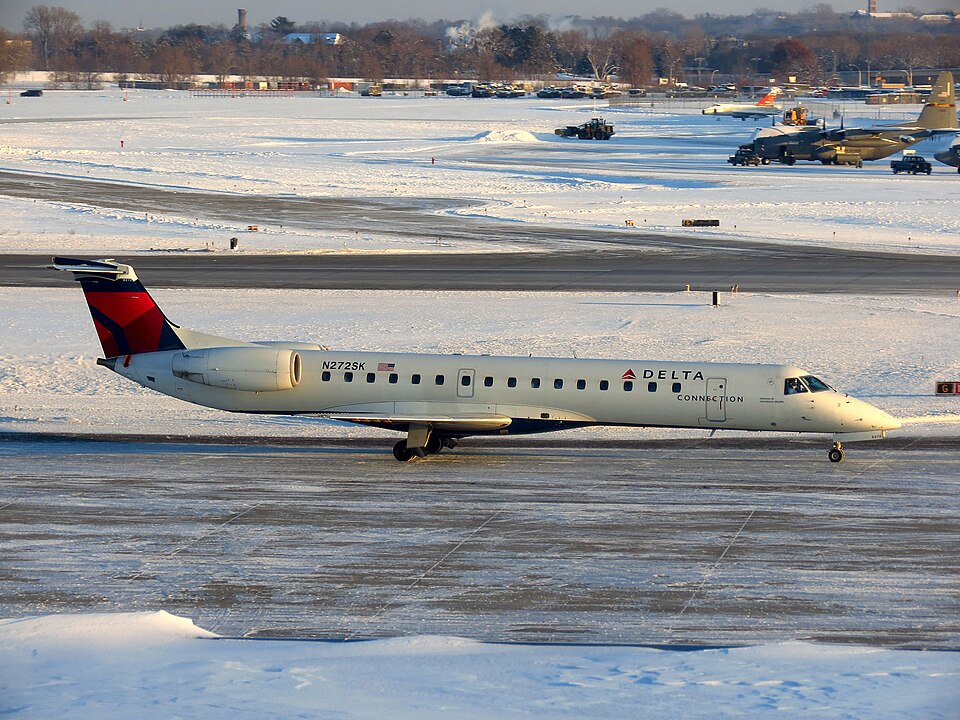
Before the incident flight, an Embraer EMB-145 was parked overnight with its tail facing into the wind. Wind speeds during this period were reported to be very high, in the range of 30 to 40 knots. The aircraft was equipped with a mechanical gust lock system designed to immobilize the forward torque tube of the elevator control system when engaged.
Takeoff and Abort
During the takeoff roll, the flightcrew performed an emergency high-speed aborted takeoff after the captain sensed a control anomaly while rotating the aircraft.
Inspection Findings
Subsequent inspection of the elevator control system components revealed that both the left and right elevator control rods had fractured completely, rendering the elevator system inoperable. The fracture occurred because the elevator surfaces repeatedly moved off the rear elevator stops due to wind gusts.
Regulatory Context
At the time of the incident, an airworthiness directive (AD 2005-26-15) issued by the Federal Aviation Administration (FAA) was already in effect. This AD mandated replacement of the mechanical gust lock system on the Embraer EMB-145 with a more effective electromechanical gust lock system and required certain repetitive inspections until the replacement was completed.
Based on the findings from this incident, the FAA determined that the interim inspections required by AD 2005-26-15 were insufficient to detect the discrepancies observed in this event. Consequently, the FAA issued a new airworthiness directive (AD 2008-03-03) to improve the interim inspections until operators completed the terminating action. Additionally, AD 2008-10-08 superseded AD 2005-26-15 and shortened the compliance time for installing the electromechanical gust lock system.