What happened
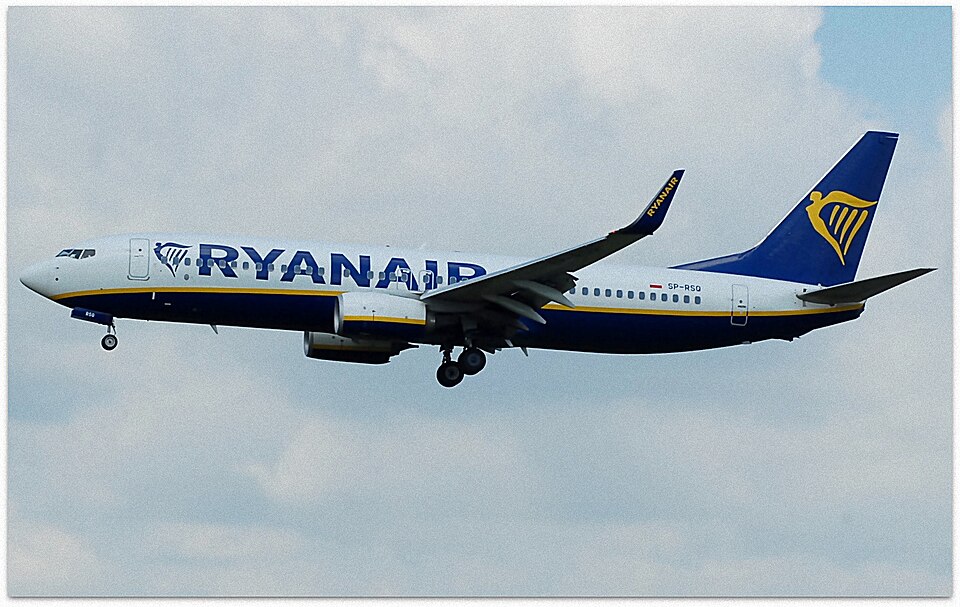
On June 13, 2019, a Boeing 737-800, registration SP-RSQ, was performing a scheduled flight from LIME to EPKK. While descending through FL 300, the crew received a "CABIN ALTITUDE WARNING" accompanied by an audible alert. The cabin altitude indication showed 10,000 ft, exceeding the maximum allowable limit of 8,000 ft.
In response to the alert, the crew donned oxygen masks and performed emergency actions from memory. Without consulting the appropriate checklists, the pilots switched the pressurization system from "AUTO" to "MANUAL" and manually closed the outflow valve, which was already nearly closed. The crew then cycled the system from "MANUAL" to "ALT" and back to "AUTO".
By FL 250, the warning light had extinguished, indicating that cabin pressure had stabilized. Upon reaching FL 200, the crew removed their masks and began performing the "CABIN ALTITUDE WARNING / RAPID DEPRESSURISATION" and "AUTO FAIL / UNSCHEDULED PRESSURIZATION / DESCEND" checklists. The aircraft landed safely without further incident, and no emergency was declared to air traffic control.
The investigation
The PKBWL investigation focused on the crew's handling of the pressurization system and the accuracy of the system's readings. Technical inspections of the pressurization system conducted by maintenance personnel following the event revealed no mechanical or functional defects.
Findings
- The investigation established that there were brief, incorrect indications of the cabin pressurization status despite the system being fully operational.
- The crew performed emergency procedures from memory rather than following the written checklists.
- The crew failed to follow established procedures by changing the pressurization mode settings after having switched to manual control, whereas the checklists mandate remaining in manual mode until landing if that mode is selected.
Safety action
- The crew underwent simulator training specifically focused on the correct execution of procedures following a "CABIN ALTITUDE WARNING / RAPID DEPRESSURISATION."
- Following simulator training, the crew passed a practical line check.
- The operator's training department has integrated decompression scenarios during descent into their training curriculum.