History of the Flight
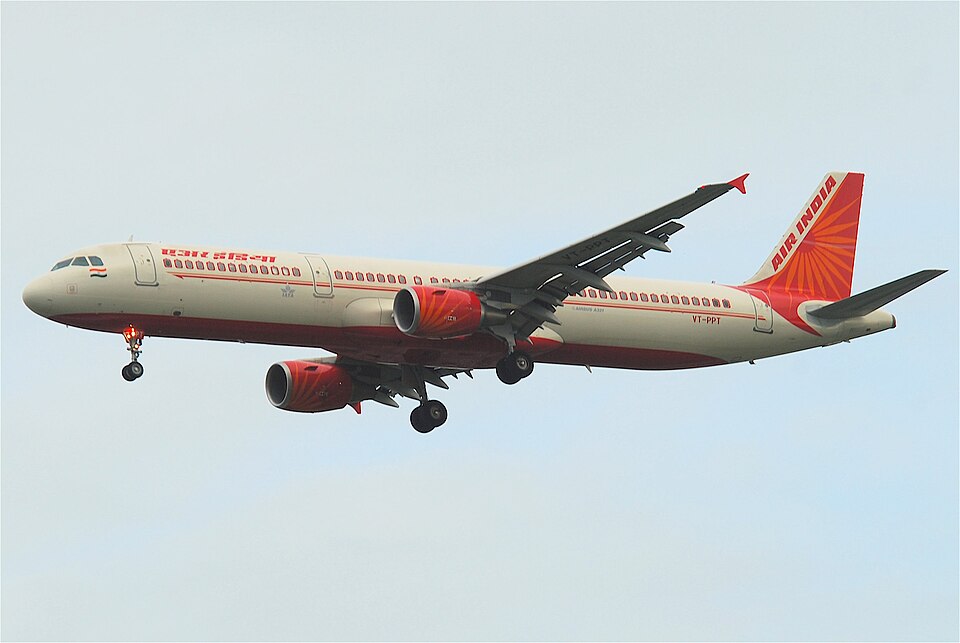
On 8 November 2019, Air India flight AI-670, operated by an Airbus A321-211 (registration VT-PPT), departed Bhubaneswar for Mumbai with 182 passengers, 2 pilots, and 5 cabin crew. At 1157 UTC, while passing FL260, the crew heard a loud bang from the left engine and the aircraft yawed left. The cockpit displayed an "ENG1 REV UNLOCK" warning. The left engine spooled down, vibration reached 9.9, and significant airframe vibration was felt. The crew reduced the left engine thrust lever to idle, moved the right engine to MCT, and initiated ECAM actions. No fire warning was displayed, but a passenger saw fire on the left engine and informed a cabin crew member. Cabin crew attempts to contact the pilots via intercom went unanswered as the crew was occupied with procedures.
The crew decided to divert and broadcast a Mayday call to Kolkata Radar. The aircraft descended to FL220, then to FL180 (maximum recommended cruise altitude for one engine inoperative was FL198). Kolkata control asked if they wished to return to Bhubaneswar; the crew initially agreed but soon recognized Raipur was closer and diverted there.
After ECAM actions, the left engine was shut down because EGT was increasing. Cabin crew confirmed the engine fire to the pilots, who discharged one fire extinguisher agent. Later, cabin crew confirmed the fire persisted, so a second fire bottle was discharged. During approach to Raipur, the crew asked ATC to visually check for fire; ATC confirmed flames. The aircraft landed safely on Raipur runway at 1226 UTC without overweight landing.
Evacuation
After landing, the aircraft parked on the runway. The crew asked ATC if fire was still visible; ATC reported seeing light. Without positive confirmation the fire was out, evacuation was initiated. Able-bodied passengers assisted, and all occupants evacuated in 50 seconds using 70% of exits. Crew evacuated after ensuring all passengers were out.
Injuries and Damage
No injuries were reported among crew, passengers, or others. The aircraft sustained damage only to the left engine. Post-flight inspection revealed heavy metal particles in the exhaust, damaged turbine blades, and displaced thrust reverser lower LH side. The engine was replaced, and the aircraft returned to service.
Aircraft and Crew Information
The aircraft, an Airbus A321-211 powered by two CFM56-5B engines, had no prior issues noted. The pilot-in-command held an ATPL with 9,215 total flight hours (4,300 as PIC on type). The co-pilot held a CPL with 6,850 hours. Both were current on training and adequately rested.