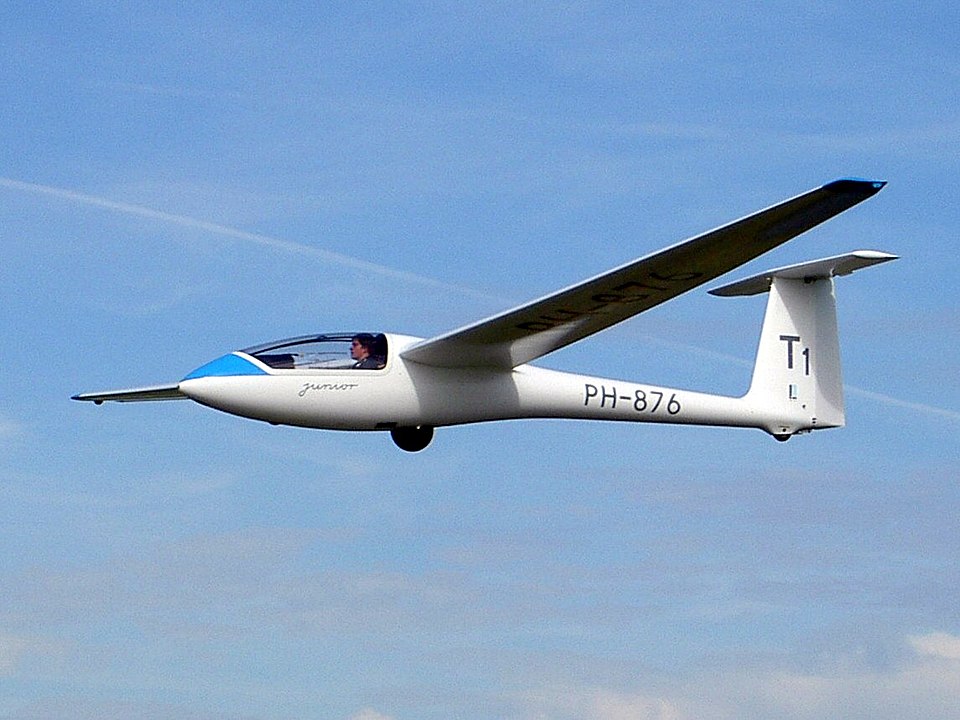
On May 17, 2022, a PZL-Bielsko, SZD-51-1 (registration PH-876) operated by Zweefvliegclub Teuge was involved in an aviation accident near Teuge (EHTE) / Holandia, PL. Investigators recorded the probable cause as: The fly-away was the consequence of a compass malfunction, which was the result of a pre-flight payload switch. This summary draws on records from the Polish State Commission on Aircraft Accidents Investigation (PKBWL).
The Dutch Safety Board's Q1 2023 report emphasizes drone safety, detailing a fly-away incident caused by compass malfunction from a pre-flight payload switch, and calls for increased reporting of drone occurrences.
Drone Safety Investigation Focus
The Dutch Safety Board published its Quarterly Aviation Report for January-March 2023, highlighting the safety of unmanned aircraft systems (drones). The Board is authorized to investigate drone occurrences and depends on user reports. It published its first separate report on a serious incident: a fly-away after a compass malfunction. The Board found that the fly-away resulted from a compass malfunction caused by a pre-flight payload switch. Recommendations were issued to the drone manufacturer to specify actions in case of control difficulties and to ensure safety authorities have access to information.
Reporting Requirements
Accidents and serious incidents involving drones must be reported to the Dutch Safety Board, as per Regulation (EU) no. 996/2010. The Board encourages drone users to report occurrences 24/7 via telephone.
Ongoing Investigations
The Board is investigating a drone fly-away and crash in Amsterdam. Previous investigations have revealed sensor failures and on-board system malfunctions leading to loss of control. The Board advises drone pilots to check flight mode suitability for local conditions, as computer-stabilized modes depend on sensors and can be affected by factors like high buildings or payload.
Probable cause
The fly-away was the consequence of a compass malfunction, which was the result of a pre-flight payload switch.
A SkyWalk Join't 3 paraglider crashed into the ground near Las Vizcachas, Chile, on September 1, 2024. The pilot and passenger sustained serious spinal…
PARAPENTE (ULTRALIVIANO NO MOTORIZADO)·2024-09-01DGAC Chile
A Cessna 172N struck electrical cables while on final approach to land at Aucó Aerodrome in Chile. The pilot was uninjured, but the aircraft sustained damage…
A Bombardier DHC-8-402 suffered a tail strike during landing at Puerto Williams on September 9, 2024. All 76 occupants were unharmed, but the aircraft…
A MYD JS-MD 3 glider veered off the runway and struck a wall at Vitacura Aerodrome on January 6, 2025. The pilot was uninjured, but the aircraft sustained…
A recreational paraglider flight in Puchuncaví, Chile, ended with the pilot sustaining serious injuries after a rapid descent and impact with a hillside on…
PARAPENTE (ULTRALIVIANO NO MOTORIZADO)·2025-03-29DGAC Chile
A Tecnam P2006T landed on its belly at an aerodrome in Poland after the crew failed to confirm landing gear deployment. The incident resulted in no injuries…