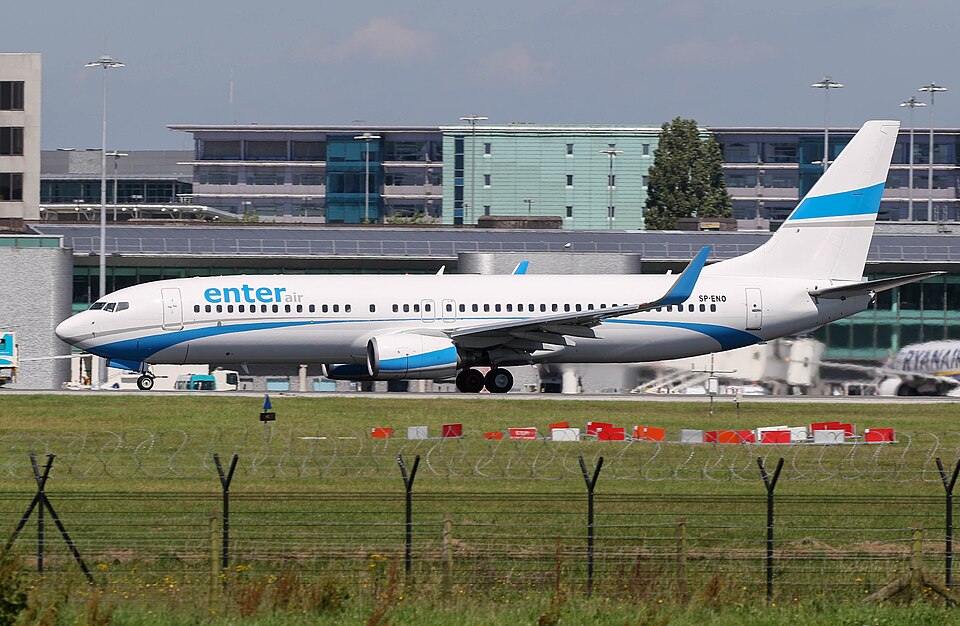
What happened
On April 2, 2023, a Boeing 737-8AS, registration SP-ENO, was operating a flight from HESH to EPKT. While cruising at FL2401 after passing Sofia, the flight crew received a CABIN ALT WARNING. Due to the inability to maintain cabin pressure, the crew initiated an emergency descent procedure, declared a MAYDAY, and set the transponder to code 7700. The aircraft descended to FL120. After following the Quick Reference Handbook (QRH) procedures and confirming that no passengers or cabin crew members were injured, the crew decided to continue the flight to the destination airport and canceled the emergency status.
The investigation
The investigation focused on the technical failure that led to the loss of cabin pressure. The inquiry examined the aircraft's maintenance status prior to departure, noting that the aircraft had been released for flight under the Minimum Equipment List (MEL) with specific restrictions. Specifically, the aircraft was permitted to fly with certain components inoperative, which limited the maximum allowable flight level to FL250 and prohibited operations in icing conditions. The investigation also looked into the operational procedures regarding the air conditioning packs and the detection of the pressure seal leak.
Findings
- The primary cause of the incident was a technical failure involving a crack in the pressure seal.
- A leak was identified in the forward zone pressure seal, which allowed pressure to escape from the pressurized cabin to the exterior.
- The failure of the pressure seal was exacerbated by the fact that the right air conditioning pack was inoperative, a condition permitted under the MEL prior to departure.
- The leak in the pressure seal went undetected prior to the incident because the outflow from the functioning left air conditioning pack balanced the pressure loss.
- The operational requirement to keep the right air conditioning pack deactivated contributed to the conditions that led to the seal failure.