Summary
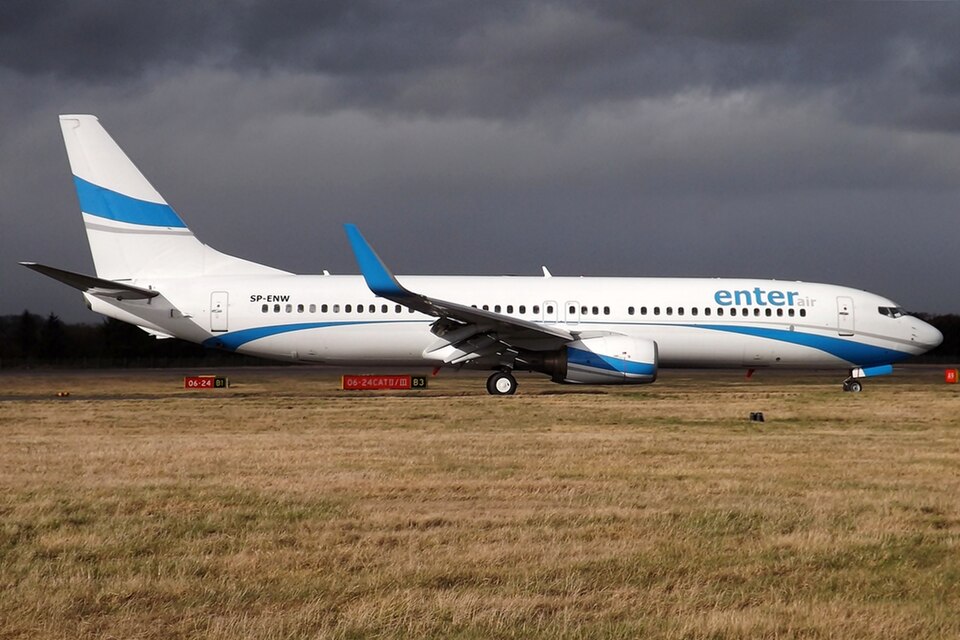
On 4 February 2024, a Boeing 737-800 registration SP-ENW operated by Enter Air Sp. z o.o. departed from airport EFET on a scheduled passenger flight to airport EGCC. During the flight, fuel consumption exceeded the operational flight plan (OFP), leading to a low fuel level warning before landing. No fuel leak was suspected. After landing, the total fuel consumption was found to be 802 kg above the planned amount, with engine number 1 showing an increased hourly consumption of 92 kg. A review of 50 other flights revealed that actual fuel consumption was approximately 3% higher than planned in the OFP.
Narrative
The OFP was prepared using outdated wind forecasts, resulting in less fuel being loaded than required. The software used to generate the OFP did not account for increased fuel consumption in different aircraft configurations and under speed restrictions below FL100. The increased fuel consumption during the flight triggered the low fuel level indication before landing.
Cause and Contributing Factors
The investigation identified two causes for the incident:
- Increased hourly fuel consumption by engine number 1.
- The software used to generate the OFP did not optimize the flight plan within specified criteria and constraints.
Contributing factors included:
- The OFP was based on an outdated headwind component.
- Actual fuel consumption was approximately 3% higher than planned in the OFP.
Aftermath and Actions
The operator proposed and the commission accepted the following preventive actions:
- Planned replacement of engine number 1.
- Conduct a detailed analysis of actual fuel consumption compared to the OFP, using indicators and data from various flights.
- Optimize the OFP.
No safety recommendations were issued by the commission.