Circumstances
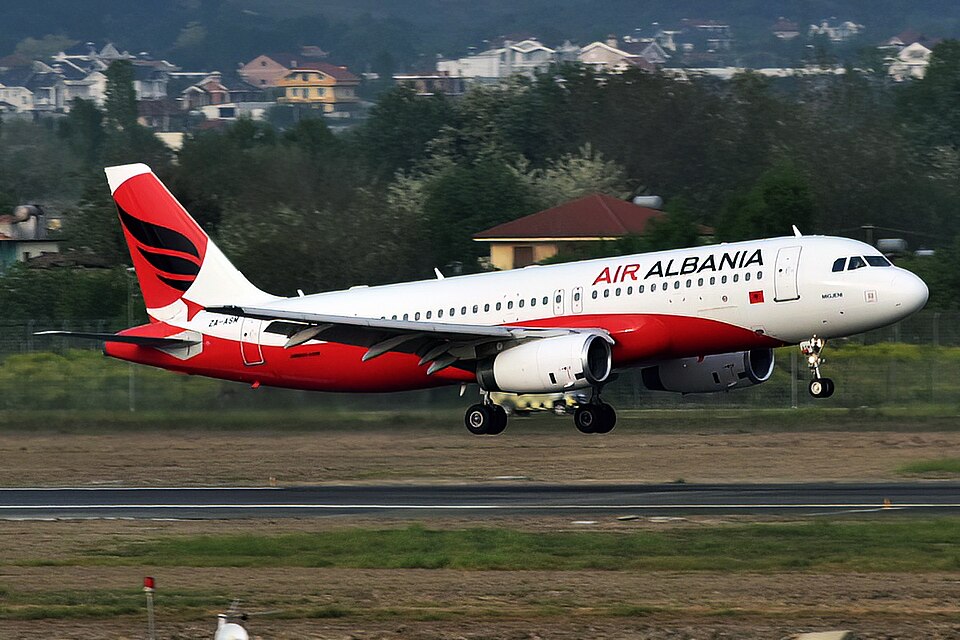
On 13 September 2024 at 12:54 LMT, at EPZG airport, an incident occurred involving an Airbus A320, registration ZA-ASM. The aircraft had arrived from LATI and was undergoing standard ground handling for a return flight with an intermediate stop at EPRZ. Passenger stairs were positioned at the front entrance at a height corresponding to the aircraft's current attitude. During deboarding of passengers who had completed their journey at EPZG, simultaneous unloading of baggage from rear holds 3 and 4 was carried out. Passengers continuing to EPRZ remained seated in the rear of the cabin. This caused a gradual upward movement of the aircraft nose. The flight crew decided to raise the stairs to maintain proper alignment with the door. Later, during boarding of passengers for the flight to LATI, the center of gravity shifted, causing the nose to lower. The crew did not adjust the stairs further in response. The fuselage settled onto the stairs, blocking them and preventing their removal. No one was injured, and the situation did not affect ongoing airport operations.
Analysis
Examination revealed that arriving passengers from LATI who were continuing to EPRZ had been seated in the rear of the aircraft, while those disembarking at EPZG were seated in the front. According to the Load Distribution Message (LDM) from LATI, there were 109 passengers destined for EPRZ and 66 passengers disembarking at EPZG. This arrangement resulted in a significant rearward shift of the center of gravity, especially after the smaller group of front passengers left the aircraft.
Cause
The incident was caused by improper planning and distribution of passengers in the aircraft, leading to a balance disturbance during parking.
Contributing Factors
Lack of continuous monitoring of aircraft balance during deboarding and boarding. Additionally, the situation was misinterpreted by the flight crew, which prevented them from taking appropriate preventive actions.
Preventive Actions
In response to the incident, the airport operator implemented several preventive measures. Training for ground handling personnel was reviewed and modified, with increased emphasis on aircraft balance issues. A safety bulletin was issued to standardize communication and decision-making between ground staff and flight crews. As a technical measure, protective cushions for passenger stairs were acquired to protect the stairs from damage in similar future incidents.