Synopsis
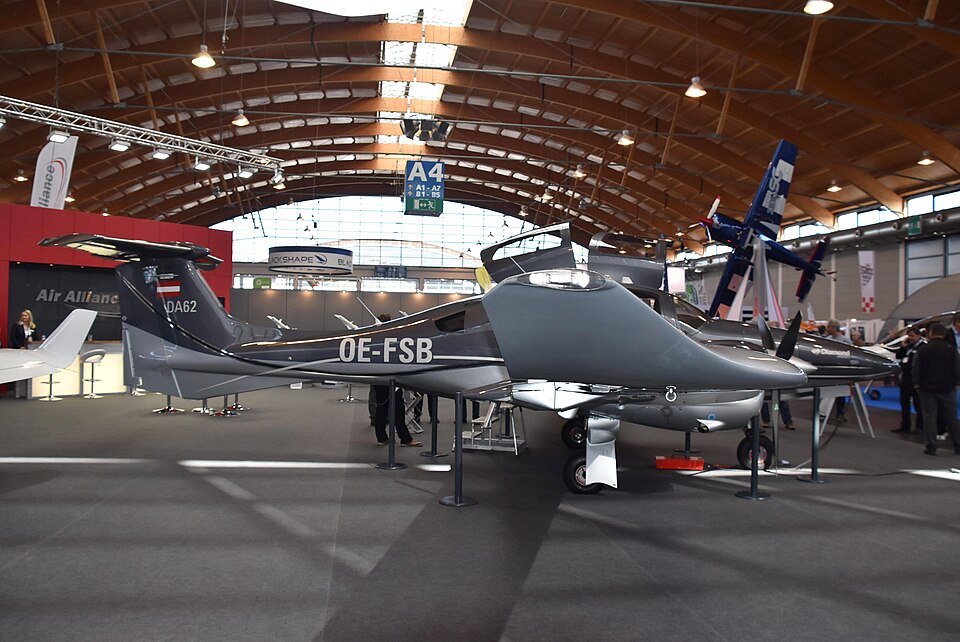
On 28 February 2026, a Diamond Da42 Twin Star (registration OE-FSB) operated by LUSOFLY Academy was involved in a ground collision at Ponte de Sor Aerodrome (LPSO). The aircraft was conducting training flights for CPL/MEP IR exams. During morning engine tests on apron NE03, an "ECU A FAIL" anomaly was detected on the right engine. After resets, the aircraft was handed over to maintenance.
Sequence of Events
At 12:15 UTC, the first flight was cancelled. At 14:45, after maintenance released the aircraft, engine tests repeated, revealing the same ECU A FAIL error. With maintenance services suspended, the second flight was also cancelled. The aircraft, parked on NE03, was to be relocated to a stand near the air traffic information tower via apron E02.
During the taxi, with a student pilot at the controls, the examiner was attempting to assess the ECU malfunction. The aircraft collided with the right wingtip against an Avgas refuelling pump structure. Neither occupant noticed the obstacle. After turning right, the three-bladed propeller of the right engine collided with a second pump (JET A1), breaking two blades.
Consequences
No injuries were recorded. The aircraft sustained substantial damage: leading edge and right wingtip damage, a ruptured right fuel tank, and a damaged right engine propeller.
Relevant Findings
The official aerodrome chart (LPSO AD 2.24.01-1 AIRAC 008-25 of 27NOV2025) indicates the taxi route between NE03 and E02 may be followed straight or with a slight left deviation in front of the fuel pumps. Evidence shows the aerodrome management attempted to modify the line by drawing a new line diverting around obstacles and erasing the original line. Unofficial, unconfirmed reports suggest this was not the first wingtip strike on that fuel installation. The aircraft has a wingspan of 13.55 m; the taxi lanes on apron E02 measure approximately 6.3 m and 13.3 m (original and displaced lines respectively).
GPIAAF Comments
The crew must always ensure obstacle clearance. Taxiing must be conducted with utmost care; checklists or system tests should be avoided during taxi to minimize distractions. Pavement markings should ensure safe clearance for all aircraft categories authorized to use the aprons without using taxiway A. Obstacle conspicuity and marking clarity should be maintained. Following the occurrence, the aerodrome manager decided to repaint guidance lines and pavement markings, redefine obstacle boundary markings, conspicuously mark the obstacle on all sides, and update the aerodrome chart.