What happened
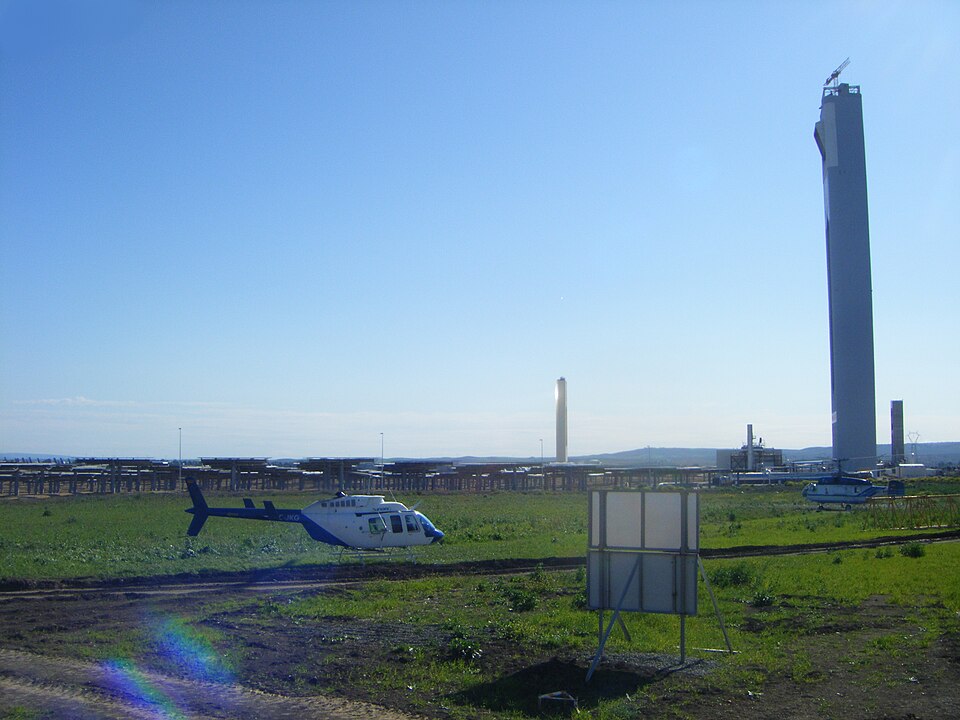
On August 23, 2005, an instructor pilot and a student pilot were conducting a flight training session in a BELL 206 L4, registration EC-JKG, near the Borbollón reservoir in Hoyos, Cáceres. The flight was part of a commander course, specifically practicing a simulated tail rotor failure maneuver.
During the execution of the maneuver, the helicopter performed a controlled ground roll. However, upon contact with the terrain, the right skid sank into the soft ground. While attempting to stabilize the aircraft, the crew experienced a loss of rotor RPM (Nr) dropping below 85% due to a lack of coordination between the pilot's collective input and the student's throttle reduction. This caused the helicopter to enter an uncontrolled right-hand turn and lift off the ground briefly before a hard impact.
Following the initial impact, the instructor exited the aircraft to inspect for damage and noted a deformation in the tail cone. The aircraft was stuck in muddy terrain, making recovery by land vehicles impossible. The crew decided to restart the engine to move the helicopter to a drier area. During this second attempt, as the pilot applied collective to lift the aircraft, the pedals became blocked. A subsequent inspection revealed that the tail rotor drive shaft had broken and the tail cone had struck the ground.
The investigation
The CIAIAC examined the aircraft's damage, which included a strike on a main rotor blade, damage to the horizontal stabilizer, and significant structural deformation of the tail cone and tail rotor drive shaft. The investigation also reviewed the flight maneuvers, the suitability of the landing site, and the operator's safety procedures.
Investigators analyzed the ground tracks, which showed the right skid sinking into the soft soil. The investigation also looked into the manufacturer's safety notice (OSN 206-84-10), which warns of tail cone damage during maneuvers involving low Nr and sudden stops, noting that the crew was unaware of this specific notice.
Findings
- The primary cause of the accident was the selection of an unsuitable landing zone that lacked the necessary load-bearing capacity, forcing the crew to abort the landing maneuver mid-roll.
- A secondary cause was the lack of coordination between the instructor and the student pilot, which led to a drop in rotor RPM below 85%, preventing the aircraft from maintaining sufficient performance to complete the maneuver.
- The tail rotor drive shaft failure occurred due to the mechanical stresses placed on the tail assembly during the initial impact and the subsequent attempt to reposition the aircraft.
- The operator's procedure for selecting training areas was insufficient, as it relied on a visual reconnaissance that failed to identify the unstable nature of the terrain.