Accident Overview
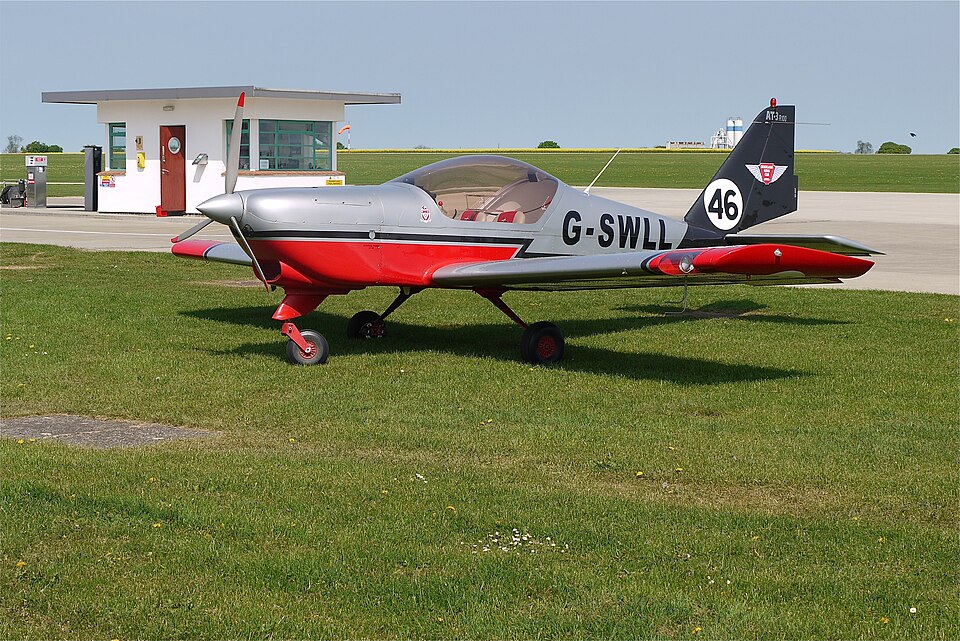
On 10 May 2017 at approximately 1148 hours UTC, a private flight involving an Aero AT-3 R100 (registration G-SWLL) took place at Sywell Aerodrome, Northamptonshire. The aircraft, manufactured in 2005 (serial number AT3-012), was powered by a single Rotax 912-S2 piston engine. The sole occupant was the pilot, who held a Light Aircraft Pilot's Licence and was 71 years old, with a total flying experience of 524 hours, including 2 hours on type. The pilot had flown 4 hours in the previous 90 days and none in the preceding 28 days.
Takeoff and Incident Sequence
The pilot reported that the takeoff was initiated on Runway 21R with a light and variable easterly wind. Upon application of engine power, the aircraft yawed slightly to the left, a characteristic described by the pilot as usual for the AT-3 model. The pilot applied rudder to correct the yaw. However, after becoming airborne, the aircraft continued to yaw to the left, and the pilot was unable to counter this movement. Consequently, the left wing dropped, and the left main wheel and propeller subsequently struck the ground. The pilot managed to momentarily lift the left wing, keeping the aircraft airborne briefly, but it continued turning left until it contacted the ground again and came to rest.
Pilot Actions and Damage
Following the incident, the pilot switched off the electrical system and closed the fuel control valve before vacating the aircraft without assistance. The aircraft sustained damage to the propeller, left main wheel, nosewheel, and the fuselage above the left wing. The pilot reported no injuries.
Pilot's Assessment
In his report, the pilot considered that the aircraft had left the ground in a low-speed, unstable condition and that he had not assessed or rectified this condition in a timely manner.