Introduction
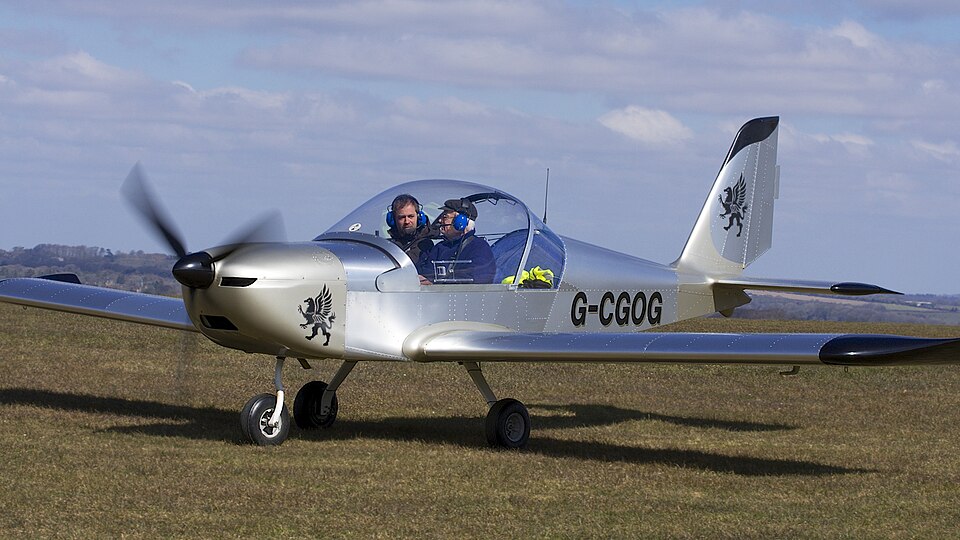
On 7 May 2016 at 1335 hours UTC, an Aerotechnik EV-97 Eurostar, registration G-CGOG, was involved in an accident during landing at Whittles Farm Airstrip, Oxfordshire. The aircraft was a 2010 model equipped with a single Rotax 912UL piston engine. The pilot was the sole occupant and reported no injuries.
Sequence of Events
The pilot, returning to his home base at Whittles Farm Airstrip, reported making a “fairly fast” final approach to Runway 11. During the flare, the aircraft was caught by a gust of wind, resulting in “significant” contact with the runway while still travelling at speed. The nose landing gear subsequently collapsed, and the aircraft slid to a halt approximately two-thirds of the way along the 380-metre-long grass runway.
Aircraft and Pilot Information
The aircraft, serial number LAA 315A-14980, was manufactured in 2010. The pilot held a Private Pilot’s Licence and was 78 years old at the time. His total flying experience amounted to 1,120 hours, of which 43 hours were on the Eurostar type. In the last 90 days, he had flown 13 hours, and in the last 28 days, 7 hours.
Weather Conditions
The pilot reported the weather as a light south-easterly breeze, good visibility, and scattered cloud.
Damage
The accident resulted in the collapse of the nosewheel, and damage to the propeller and firewall.
Additional Information
The AAIB publication includes a reference to the CAA Safety Sense Leaflet 12, ‘Strip Sense’, which provides guidance on landing techniques and emphasises the importance of flying appropriate speeds and keeping weight off the nosewheel.