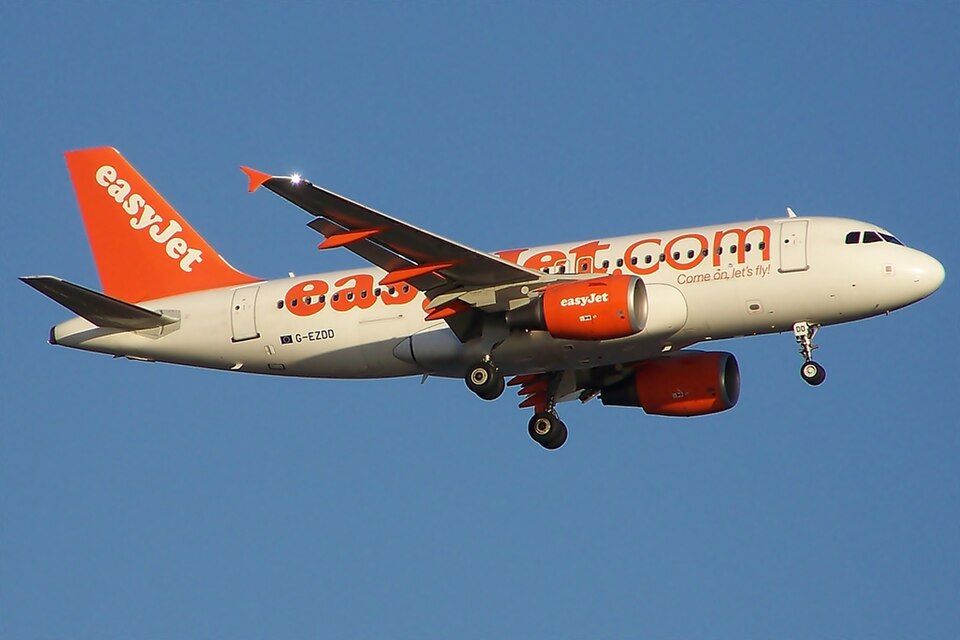
History of the Flight
On 25 August 2020, an Airbus A319-111, registration G-EZDD, was descending towards Gatwick Airport on a commercial passenger flight. As the aircraft passed 6,000 ft, the flight crew noticed a strong 'wet sock' smell emanating from the cockpit air conditioning ducts. Simultaneously, cabin crew informed the flight deck of an 'acrid smell' in the passenger cabin.
In response, both pilots donned their oxygen masks as a precautionary measure and continued the approach. The landing was otherwise uneventful. After landing, the crew voluntarily went to a local hospital for medical checks.
Aircraft Examination
In the three weeks preceding the incident, the aircraft had been the subject of three 'Smell in Aircraft Reports' (SIAR). On 5 August, engineers found evidence of a leak from the auxiliary power unit (APU) drain mast and oil cooler; these units were replaced and a pack burn-off procedure was performed. On 12 August, a further report was raised but no fault was found. On 13 August, an oil leak from an APU gearbox plug was identified; the O-ring was replaced.
During the post-incident diagnosis, engineers found additional evidence of oil leaks associated with other line replaceable units (LRUs) on the APU. After functional tests, the APU was replaced, but the oil smell persisted. Suspecting downstream contamination of the environmental air conditioning system (ECS), nine components within the No 2 ECS were replaced. No further fume events were reported after the aircraft returned to service.
The investigation concluded that the cause of the smell was oil contamination of the No 2 ECS, with the likely source being oil leaking from at least one of the APU's LRUs.
Medical
Two crew members experienced 'tight chests' and 'tingling' fingertips during the fume event but reported no long-lasting effects. The commander noted that upon arrival at the hospital, medical staff were not expecting them and lacked a specific fumes-related investigation protocol.
The operator's policy for post-flight medical support following smell events is outlined in their 'Cabin Smell Event Care Pathway' document. The operator expects local medical procedures to be applied if immediate support is required and does not provide specific instructions to supporting facilities. For persistent symptoms, crews are referred to occupational health services. The UK CAA publishes fume event care pathway guidance on its website.
Discussion
The incident was traced to oil contamination of the No 2 ECS, likely originating from APU LRU oil leaks. While not considered a significant factor in this event, the report noted that standardized medical protocols for cabin air quality events could aid immediate treatment and benefit future investigations.