Incident Overview
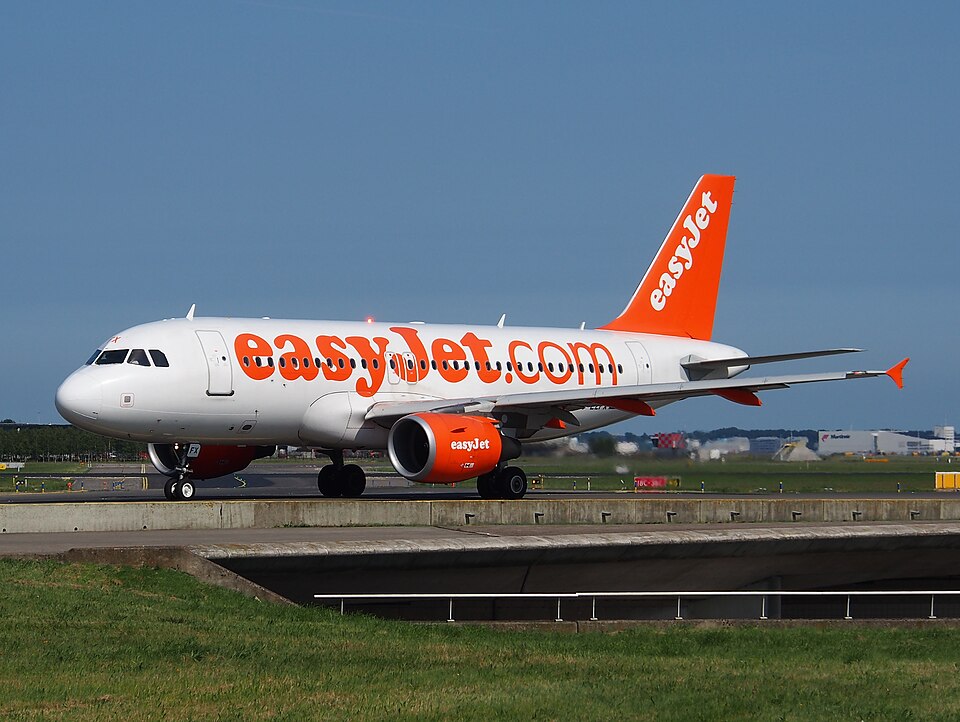
On 1 October 2016, an Airbus A319-111 (registration G-EZFX) was operating a commercial passenger flight from La Rochelle Airport, France, to London Gatwick Airport, UK. The aircraft carried 105 passengers and 6 crew members. During the climb after takeoff, the crew noticed vibration, which ceased after a few minutes. The vibration returned intermittently throughout the flight.
Inflight Developments
While holding at Flight Level 120 prior to the approach into Gatwick, the vibration recurred and was accompanied by a strong burning smell that quickly dissipated. A few minutes later, the vibration and smell reappeared. In response, the crew donned their oxygen masks, declared a PAN (urgency signal), and requested an immediate landing. The burning smell ceased during the approach. No injuries were reported among passengers or crew, and no damage was reported to the aircraft.
Investigation Findings
The operator reported that the vibration and smell were caused by a bearing failure in the avionics bay extractor fan. At the time of the incident, the fan had accumulated 19,363 flying hours. A program to overhaul fans with more than 20,000 flying hours was already in place; however, this unit failed before reaching that threshold. The operator further noted that the fan manufacturer and the aircraft manufacturer were jointly developing a new fan design incorporating a vibration monitoring unit that would automatically shut down the fan before a bearing failure could occur.