Incident Overview
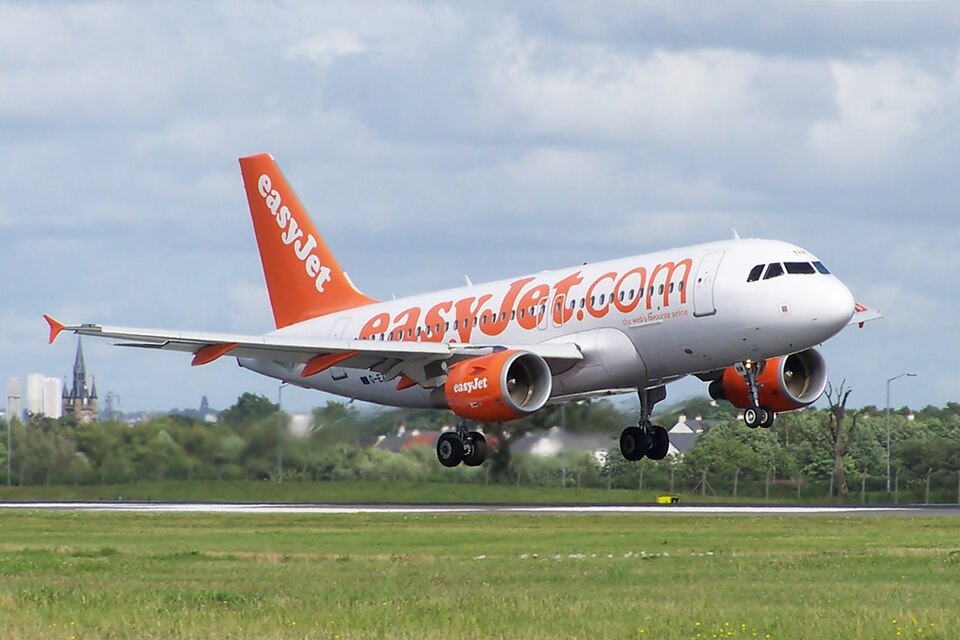
On 11 May 2019, an Airbus A319-111 (registration G-EZNM) operating a scheduled passenger flight from Newcastle International Airport to Bristol Airport experienced a smoke and fumes event in the cockpit. The crew, consisting of two pilots and four cabin crew, along with 107 passengers, donned their oxygen masks approximately 30 minutes after takeoff while cruising at FL290, about 80 nm north-north-west of Bristol. The commander transmitted a MAYDAY, selected the emergency transponder code, and initiated an emergency descent toward Bristol.
Oxygen Mask Misting
About 90 seconds after donning, both pilots' oxygen masks misted, obscuring their vision. The co-pilot could read the checklist by holding it close to the mask but was unable to see flight instruments. The commander removed his mask after informing the co-pilot and agreeing it was the least-risk option, enabling him to see the instruments. Upon removal, the commander noticed the smoke had dissipated. He briefed the senior cabin crew member via interphone and decided to continue to Bristol, but later, after checking the navigation display, chose to divert to Birmingham as it was closer. The crew informed ATC and cabin crew of the revised plan.
Smoke Reappearance and Landing
During descent, smoke became perceptible again in the cockpit. The commander reported feeling “a little bit wobbly” but continued. His oxygen mask had cleared, so he refitted it, and it did not mist again. The aircraft landed at Birmingham without further event and stopped on the runway with RFFS in attendance. After a review, the commander removed his mask and found no perceptible smoke or fumes. The aircraft taxied to a stand and shut down.
Oxygen Mask Examination
Examination of both masks under AAIB supervision revealed the commander's lenses were in “good condition” but sensitive to fogging, with uniform blurring. The co-pilot's lenses were in “bad condition” with scratches, non-uniform blurring, and marks suggesting wiping. Both masks had 100% oxygen selected but the emergency pressure selector had not been rotated to provide overpressure, which would eliminate condensation. The masks were functionally tested within acceptable ranges.
Source of Smoke and Fumes
The operator initially suspected a faulty recirculation fan, but both fans were in very good condition. Based on previous experience, transformer rectifier units (TRUs) were suspected. G-EZNM's TRUs had not been replaced since manufacture, accumulating over 40,000 flying hours. Inspection showed light dust accumulation on ventilation grids and exhaust ducts; they were cleaned and reinstalled. The aircraft manufacturer subsequently added a cleaning procedure for TRUs in the Aircraft Maintenance Manual (May 2019 revision).
Maintenance Manual Changes
The existing cleaning procedure for oxygen masks warned against letting detergent or disinfectant touch the visor. At the operator's request, the manufacturer moved the caution to the beginning and highlighted it in the February 2020 AMM revision to prevent damage to the anti-mist layer.
Pilot Training
Some of the operator's type rating examiners reported that crews were unfamiliar with correct mask use, particularly oxygen flow selection. The operator added a practical demonstration on mask use and selector operation during the next recurrent training cycle.