Incident Overview
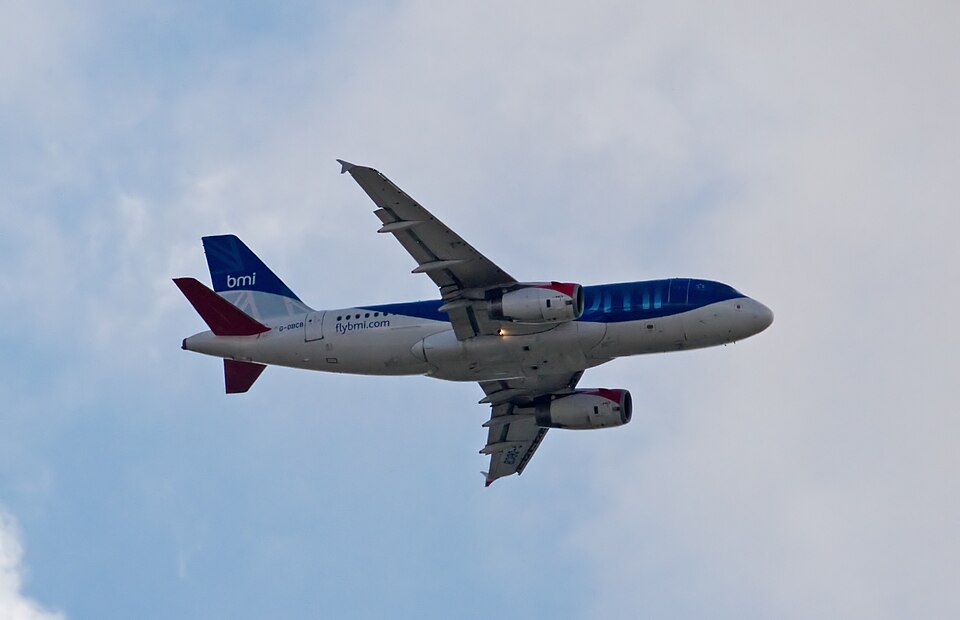
On 21 October 2016, an Airbus A319-131 (registration G-DBCB) was on a commercial air transport non-revenue flight. The crew consisted of five members with no passengers on board. The aircraft was on approach to London Gatwick Airport when a serious incident occurred involving an unexplained acidic smell.
Timeline of Events
The day before the incident, during a cross-bleed engine start, the co-pilot noticed a brief acidic smell. The smell returned just before takeoff and twice during the climb on the day of the incident. The commander did not detect anything unusual until the cruise phase, when the smell intensified. It was strongest near the co-pilot's rudder pedals and side-stick controller, but no symptoms were reported in the passenger cabin. The crew initiated the Smoke/Fire/Fumes emergency checklist and, as the smell grew stronger, diverted to Bordeaux, where the landing was uneventful.
On the ground, the smell could not be reproduced. The avionics blower fan was inhibited before the aircraft departed the following day on a re-positioning flight to London Gatwick. During the descent, the smell returned, prompting the crew to don oxygen masks and declare a PAN.
Investigation and Findings
The operator investigated the incident but could not identify the definitive source of the smell. Several components were replaced, including the right brake master cylinder, which was found to be leaking hydraulic oil. Since the incident, the aircraft has completed over 30 flights without recurrence of the smell.
Conclusion
The incident was classified as a serious incident. No injuries or damage occurred. The cause of the acidic smell remains undetermined.